Back in the USSR

After Kathmandu by Truck, I was truly addicted – to both travel and writing. My head filled with plans for the next trip, the next book. My spirit of adventure knew no bounds; my publisher was willing. All I needed was a companion. I persuaded an old school friend to join me on a 4-month backpacking trip starting with the Trans-Siberian Railway, then a boat to Japan and travels around various S.E. Asian countries.

IMG_2285

Despite meticulous planning, our trans-Siberian journey almost didn’t happen. Two days before our scheduled departure date, we were still awaiting visas, having applied months before. This was ‘normal’, we learnt, permission to enter the USSR being an arbitrary matter back in 1975. This was later verified by some of the other foreign passengers who had tried several times before having their applications approved.

Thanks to a frantic, last-minute, overnight journey from Norwich to the Russian Embassy in London by my friend, we were granted our visas with only a few hours to spare before leaving. After this nail-biting introduction, Russia could only get better. We were not disappointed. Spending two weeks on a train was more fun than I’d ever imagined.

IMG_20160426_174806
Moscow station with baskets of provisions for the dining car

The whole journey had a slightly surreal flavour. This was partly to do with the discrepancy between official and local time. The train’s timetable, displayed in each carriage, was based on Moscow time but as we travelled east, this got more and more out of sync with the local time – by as much as eight hours eventually. The dining car also worked on local time. It was confusing when at 3pm official time it was already dark and at 1am still light. Adding to the confusion was the backwards progress from autumn into summer as our journey took us towards the Pacific. The vastness of the landscape, its desolation and remoteness, especially after entering Siberia, offered us a very different perspective to that of Europe.

We were sharing our compartment with a chain-smoking Swiss woman and her husband who, we discovered the first night, had a wooden leg. We knew nothing of this until we were asked to leave the compartment so that he could unstrap it in privacy before going to bed. Next door was K, a predatory German who lived on a Pacific island and whose endless boasting soon earned him the nickname of ‘Superman’. He pestered me continually, making crude suggestions with a corncob bought from one of the peasant women selling local produce at stations along the route. Fortunately for me, at an overnight stop in Khabarovsk, he got his way with an Intourist guide called Olga (or so he bragged) and, much to my relief, stopped his harassment.

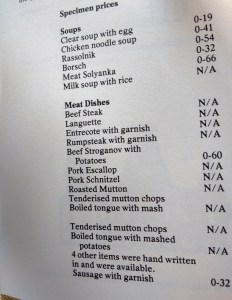
We had been issued with vouchers for the dining car. Its extensive menu in several languages listed a huge choice of dishes but few had prices, the vast majority being marked ‘not available’.
IMG_20160426_153746110_HDR

Billboards featuring Lenin appeared at every station while literature stands on the train ensured that passengers were supplied with plenty of appropriately uplifting reading matter on the benefits and achievements of the socialist state. However, we found that the views expressed were not shared by all. One morning K showed me a note deposited on his bed by a fellow-passenger, a Russian who had left the train during the night. It was headed ‘Ich bin antikommunist’ and followed by a long diatribe in Russian against the system. At that time I still remembered some of my university Russian – enough to get the gist of the message. Perhaps unwisely, I showed it to Irma, a teacher of English with whom I had made friends over the previous few days (and continued to correspond with for the next 20 years). She was shocked and claimed he was an illiterate and maverick. Just as well because moments after she had translated it for me, the controller of the train’s recorded music output (mostly patriotic songs) entered the compartment and proceeded to question her. There could be only one explanation: the train was bugged.

IMG_20160426_194055

Intourist representatives met us at stations along the route. They always knew who we were and where we were going. Individuals like us (rather than the more controllable organised groups) were seen as suspect. Looking back, the stern communist regime that seemed rather sinister at the time now looks almost quaint compared to today’s corrupt mafia-style capitalism in Russia and elsewhere.

IMG_20160426_174838

After a night in Khabarovsk, where the Rossiya train terminated, a team of twelve Mongolian boxers joined us on a more lavishly appointed train, furnished in grand Victorian style though built much later. The last part of the route sped us through the night – if I remember rightly, we were partying at the time with a group of card-playing Russians – along the militarised border with China, to the port of Nakhodka. It was there that we boarded our surprisingly luxurious ship, the Felix Dzerjinsky, and set sail for Yokohama.

We travelled on plenty more trains during our 4-month trip, from the super-fast, super-efficient, super-clean Japanese bullet train to the filthy, overcrowded, third-class Indonesian carriage in non-A/C tropical heat. More in my next blog post!

Bread and Oil

near Tozar.JPG

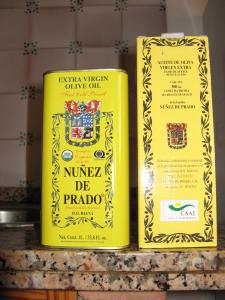
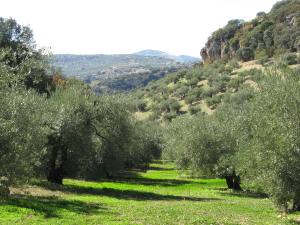
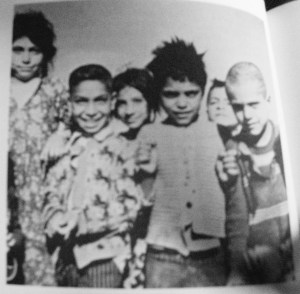
In Spain, olive oil is a food; from my observations I would say it’s a sacred food, at least in the south of the country. Traditionally, if you have bread and oil, you’re OK. During the ‘hunger years’ after the Civil War, the rationing of bread to one small roll a day and oil to a quarter of a litre per person per week was hard to endure. Olive oil is what you put on your bread and what you cook with. In those starvation years when many families existed on one meagre meal a day and tasted meat only once a year at Easter, women in the villages were often reduced to scouring the countryside for dubious delicacies such as thistles, dandelions and nettles; fennel if they were lucky. As if that weren’t bad enough, having to fry them without oil meant they would inevitably burn.

Alongside the dire shortage of oil during those first years of the posguerra was the lack of decent bread. The impossibility of working in the fields during the war, followed by several years of acute drought, meant that little food of any kind could be grown. Unless you could afford to buy on the black market, you had to make do with your meagre ration of ‘black’ bread made from maize and often adulterated with other substances. White bread made with wheat was a luxury reserved for the rich and privileged. In 1949 when Gerald Brenan visited Spain, bread on the black market cost 12 pesetas a kilo, roughly the average daily wage – though bear in mind that few people had work every day and many none at all. Those living in former red zones were denied disability pensions and access to healthcare unless they could pay. Any savings were useless, as the currency in those zones had been annulled.

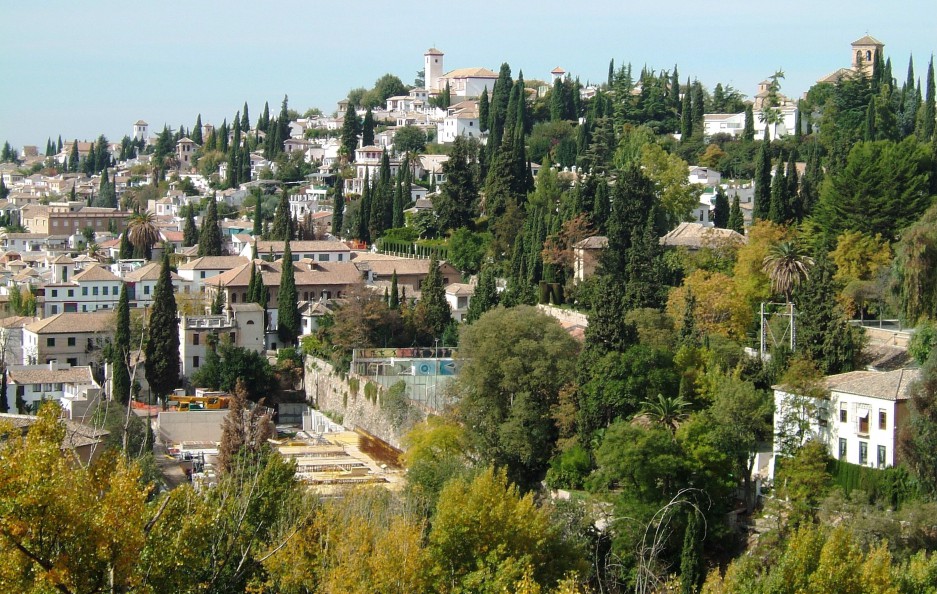
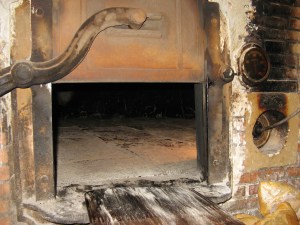
Granada, like other towns, once had public ovens in the street. Memory of them remains in some street names, such as Horno de Oro (gold oven). Another reminder of the importance of bread is found in the rather sad name of the street called Poco Trigo (little wheat). On the outskirts of the city, not far from where I live, is the Cortijo Hornillo. The ‘little oven’ can still be seen outside.

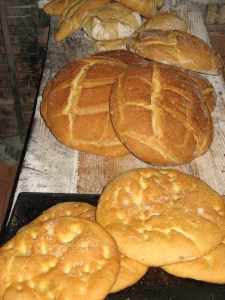
A few kilometres from Granada is the village of Alfacar, famous since Moorish times for the quality of its bread. Its population of 4,500 is served by about fifty bakeries, some with their old Arab ovens fuelled by leña (firewood) still in use. The secret of their bread, which is widely distributed and highly valued, lies partly in the flavour given by the firewood, partly in the purity and sweetness of the water, brought to the village via irrigation channels from the snows of the Sierra Nevada.

Pan de Alfacar 011IMG_0177

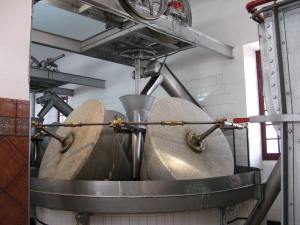
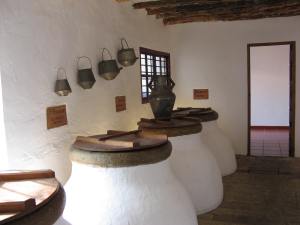
Many of Spain’s traditional recipes are based on bread and oil, including gazpacho and salmorejo, the cold soups made chiefly from bread, oil and tomatoes. Another popular traditional dish is migas, cubes or crumbs of stale bread fried with garlic and sometimes other additions in either olive oil or lard. Similar but usually sweet, are gachas, little balls of bread and/or flour fried in (guess what?) olive oil and eaten with honey. Even the special Easter treat of torrijas consists basically of bread fried in oil. Salads are dressed with liberal quantities of olive oil tempered by only a tiny drop of lemon juice or vinegar. Cheese is often served in oil (with bread to mop it up). Butter is used in the north but almost never in Andalucía. The standard breakfast (for me too) is toast with oil and tomatoes. Maybe this is what gives Spanish women the second highest life expectancy in the world. (Jaén and Córdoba in the heart of olive country take top place along with Japan). Scientists say the nutritional benefits of tomatoes are much enhanced when eaten with olive oil. The high consumption of olive oil is what largely distinguishes the famous Mediterranean diet. Like wine, olive oil, now has its D.O. (denomination of origin) status and catas (tastings). People take their ‘liquid gold’ very seriously.

Baena 001

Baena 012Baena 014


In Andalucía frying is the most popular method of cooking food. Hence the proliferation of recycling skips for used cooking oil in the streets of my city. These days few people use their old oil to make soap, as they once did, though I do have a friend in her eighties who still swears by it. As soon as she’s collected five litres of oil, she’ll make a batch and I can attest that it’s the best soap ever: pure white, sweet-smelling and it leaves the skin wonderfully soft as well as possessing antiseptic qualities. You would never ever guess its main ingredient is the stale oil left from frying fish, meat or potatoes.

IMG_20160304_111940194_HDR


olive trees near Illora

The heady days of adventure travel

In this post, I’m travelling back over forty years to the life-changing journey that also led me to write my first book, Kathmandu by Truck, now long out of print.

IMG_2050

1974. The hippy trail is in full swing. Afghan coats are ‘in’ and their country of origin still at peace, give or take a few bandits in the hills. I was no flower child or pothead; my hippy credentials were non-existent. In fact I was a member of that most unhip profession, librarianship. Frequently portrayed as timid creatures with hair in a bun, spectacles, sensible shoes, some of us had to rebel. So it was that one grey September evening of that year, a colleague and I found ourselves among the twenty-two people gathered around a blue and orange truck parked on the forecourt of Victoria Station. Watched by curious commuters, we piled our rucksacks onto the trailer and clambered aboard the converted fire-engine which was to be our home for nearly 3 months and carry us 12,000 miles across Asia to Kathmandu. Life would never be quite the same again.

The first few days were a lesson in fortitude. It rained without respite. Mud and motorway were all we saw. Clothes, tents, feet never quite dried. Utterly dispirited, we huddled in the truck, wrapped in blankets. I wanted out.

Then we crossed the Greek border and suddenly our world leapt into colour, transfigured by brilliant sunshine. All regrets vanished. I was drunk on the freedom and adventure of life on the road. I remember my first night under the stars in a forest clearing near Troy. A bright crescent moon added to the glow from our dying campfire as I lay in my sleeping bag, listening to the tinkling bells of the sheep and the shepherd singing softly to his flock.

Forty years on, the images are still imprinted on my mind. The smiles of the women peeping shyly at us out of their chadors in the remote Iranian village where we stayed overnight at the invitation of the headman, met by chance in an Isfahan bakery. Drifting down the Ganges at dawn, observing the teeming river, where yoga and laundry, ablutions, devotions and cremations each found a place. The entrancing, almost hypnotic effect of incense and flowers, water and white marble, music and chanting, at the Golden Temple in Amritsar. The stillness of nights in the desert under skies embroidered with brilliance. And, not least, our final triumphant entry into Kathmandu after twelve weeks on the road.

IMG_2051

We thrived on the unexpected and sometimes bizarre: the border official who was convinced we had the tins of chicken legs he craved stashed away in our lockers (but eventually accepted Pete’s vodka as an alternative bribe); the young Iranian who stopped Ernie in the street and told him; “You have good vibrations, I dig you”; the cook on our houseboat in Kashmir who made our breakfast toast the night before when we warned of an early morning departure; the surprising barter value of a toothbrush in Afghanistan. So many rich experiences – of people, places, ways of living – that changed me and my view of the world.

High up in the Hindu Kush mountains of Afghanistan, nights were icy; camping was not a sensible option. Instead, we joined the locals round the oil stove in one of Bamian’s numerous chai houses. As in many southern countries, such places were not frequented by women but these men welcomed us without demur and showed only respect as they talked of their families, their lives, their dreams. Before the Russians, before the Americans, before the Taliban; before the bombing.

We drank tea and ate with them, even danced a little to the traditional music of a small band playing in one corner. Sleep came easily as together we stretched out on the floor, warmed by the stove and by friendship. At dawn, venturing out into cold that stung, we admired the majestic Buddhas carved into the rock face some two thousand years ago. Illuminated by the rising sun, they appeared as if carved out of gold. Now they are gone.

We climbed higher, to twelve thousand feet, where we discovered the legendary lakes of Band-i-Amir. With the hues of precious jewels – emerald, sapphire, turquoise – the lakes nestled amongst gaunt sandstone crags, reflecting them to perfection in their glassy depths. No sign of habitation could be seen but from somewhere we had been observed, for a group of young boys rode up and offered us their horses to explore this dreamlike landscape.

Kashmir at that time enjoyed relative peace and the houseboats of Dahl Lake in Srinagar afforded us a relaxing period of respite from the road. The ancient wooden houses of the old town and the haunting silence of the lake with its traffic of gliding shikaras and backdrop of misty mountains gave Srinagar a bewitching, timeless feel. The houseboat owners and the boatmen selling saffron, carpets and papier mâche did good trade, until the simmering conflict drove the tourists from Kashmir too.

IMG_2047

So many of my most treasured recollections are of cities and countries whose names now conjure up images very different from those etched in my memory: images of destruction and human misery, played out on our TV screens in grim turns, year upon year; of lives needlessly wrecked by war and its aftermath of forced migration, famine, grief.

Looking back, remembering the children who ran, waving and laughing with delight after our truck and imagining them now – those that still survive – fills me with sadness. The world we were privileged to see has gone and our idealistic hope, born in the early days of adventure travel, that bridging cultures would open hearts and minds and sweep away barriers between people now seems hopelessly naïve. It is not that we were blind to reality: the harshness of the lives we encountered was everywhere apparent, but poverty is not necessarily synonymous with despair. Somehow, human dignity and generosity still managed to assert themselves. There was a place for laughter, for celebration and for dreams.

I would like to believe that the better world we envisaged may yet materialise, unlikely though that seems from the standpoint of 2016. I guess at heart I’m still a child of the sixties, an ageing hippy after all, my ideals battered but still not quite beaten.


From Dolls to Disinfectant: The Joys of Research

In the last couple of months, I’ve researched subjects ranging from Lyons Corner Houses in London to protection from scabies in a cave hospital in Spain, from 1930s hairstyles in England to the dolls owned by Spanish girls of different classes in the years after the Civil War. Writing a novel with a historical setting (my current work in progress) obviously involves a massive amount of research. What I hadn’t quite anticipated was how much time I would have to spend checking every small detail. It’s difficult not to get sidetracked when these details are so fascinating. Once I start reading about the literacy classes held in the trenches or the different uniforms worn by rich and poor girls in the same school or the tricks used by the Civil Guard to trap members of the guerilla, I tend to get carried away.

Not that research is new to me. During my time as a journalist for Living Spain magazine, I researched subjects as diverse as bandits, flamenco dresses and the history of the Sephardic Jews. I visited and interviewed a lighthouse keeper, watched soap being made at home from olive oil, learnt how to make stained glass, observed a guitar-maker at work and travelled with a photographer through the border territory, marked by castles, that was fought over by Christians and Muslims.
IMG_0571

IMG_4257

When I wrote Secrets of the Pomegranate, I was researching alongside my protagonist Deborah, discovering the Arab civilisation of al-Ándalus and the role of women, sharing her enthusiasm as we both increased our knowledge. However, having lived in Granada for many years, I did not have to research the modern setting of the novel or the details of everyday life.

Zuheros 1I’m loving all the research for my current work. Much of it involves reading but I’ve also made visits – to the Museum of Everyday Customs in Antequera, to the battlefield of Jarama, to a former Civil War hospital at Tarancón.
IMG_1551IMG_1391


For me by far the most rewarding kind of research is the interviews. Talking to older people, as I have for The Red Gene, listening to their memories of post-war Spain – what they ate, the games they played as children, their schooling or lack of it, their differing attitudes depending on what class they belonged to – has me riveted. I have talked to women whose babies were stolen and to a man who started work at the age of seven, taking charge of the donkey that brought stones for road-building. At times I am moved almost to tears by the stories I hear of loss and hardship.

IMG_5337

Progress on The Red Gene is slower than I would like but it’s not for laziness or want of enthusiasm. I blame the slog and the joy of research.

CHRISTMAS BLOG: WHAT CHANCE FOR PEACE?

Terrorist outrage followed by aggressive reaction in the form of a new invasion/war or the stepping up of one already in progress and more surveillance at home. The same pattern has been repeated so many times: 9/11 in New York, 11-M in Madrid (the one exception to the above in that Spanish troops were withdrawn after the election that followed), 7/7 in London, this November in Paris. Secrets of the Pomegranate focused on one of these events (the Madrid train bombings) and its consequences – for an individual family and in the wider political context. One of these consequences was the paranoia about Muslims – now whipped up to new extremes by Donald Trump, a serious contender for next US President.

The “war on terror” clearly hasn’t worked. As many people predicted, it has just created more hatred, more divisions, more radicalisation, as well as countless unnecessary deaths. The demonisation of all Muslims, supposedly ‘justified’ by the terror attacks, has made life even more difficult for the thousands of refugees fleeing wars created or sponsored by western countries.

When I first emigrated to Spain, people told me I was brave. Admittedly it was daunting to leave my family, job and home and head alone for a country where I knew nobody and had to start from scratch finding work and somewhere to live. However, I had a safety net; I knew I could go back if necessary; my journey wasn’t dangerous. I did not consider myself brave. The refugees from Syria, Afghanistan, Iraq, Yemen and Eritrea, among other countries, are the brave ones, the ones who take incredible risks to secure a peaceful life for their families. After gruelling journeys, which a considerable number don’t survive, those who do may face intolerable conditions in camps and detention centres when they arrive. While some more humane communities – from the tiny Isle of Bute in Scotland to large countries like Canada – are welcoming them, others are treating them as a scourge and building fences to keep them out.

A major part of my next novel, The Red Gene, is set in the years after the Spanish Civil War, another war that created hundreds of thousands of refugees. When Franco’s troops marched into Málaga in early 1937, two thirds of the population fled – on foot or on donkeys, carrying what possessions they could – men, women and children, young and old on a sixty-mile trek to Almería, still held by the government. As they trudged along the road, they were machine-gunned and bombed from air and sea.

Two years later, with the defeat of the Republic imminent, 400,000 sought exile abroad, most heading over the border to France. There they were put in internment camps where, due to lack of sanitation and shelter, many died. Given the stark choices offered, some agreed to ‘voluntary’ repatriation, others were conscripted into the Foreign Legion or sent to military-style work camps. About 100,000 remained in the camps. Of those Republican soldiers or sympathisers trapped in Spain, vast numbers were executed, tortured, imprisoned or used as slave labour. Half the population lived in fear. Some hid for decades, separated from their families, too afraid to return home.

I recently read Dulce Chacón’s excellent but grim novel, La Voz Dormida (The Sleeping Voice), set in the same period just after the end of the Civil War. Like Secrets of the Pomegranate, it tells the story of two sisters and a baby. The pregnant sister is an inmate of Ventas, the women’s prison in Madrid, where she is awaiting her death by firing squad once the baby has been born. The ‘peace’ after Franco’s victory was not peace for all.

Christmas is supposed to be the season of peace and goodwill and we fortunate ones are busy sending cards and singing carols about just that, while celebrating the birth of a baby in a manger (there was no room at the inn for this family of Middle Eastern refugees). Unfortunately, for some the Christmas season just means more of the same: bombing and destruction; desperate journeys; miserable conditions in refugee camps.

Dare we hope for a more peaceful and tolerant 2016? I’d like to believe so. The spontaneous acts of generosity, kindness and empathy towards refugees from individuals, families and communities suggest that a better world is still possible. To quote  the Dalai Lama, “Great changes always begin with individuals; the basis for peace in the world is that inner calm and peace found in the heart of every one of us. Each of us can make a contribution.”


Reversals of fortune in the status of Spanish women

Researching al-Andalus, Deborah in Secrets of the Pomegranate was surprised by the freedoms women enjoyed in the society of Moorish Spain, compared to some Muslim countries today.

Conversely, she found rather more machismo than she’d expected in modern Spain. Deborah was not the kind of woman to submit to being told by a man what she could or could not do, so she was lucky to meet Paco, a rather more enlightened male. Her friend Kay admitted to being envious. Men like Paco, she commented to Alice, were “one in a million here in Spain: men who treat women as equals.” That may be an exaggeration but traditional views of women as subordinate have been slow to change.

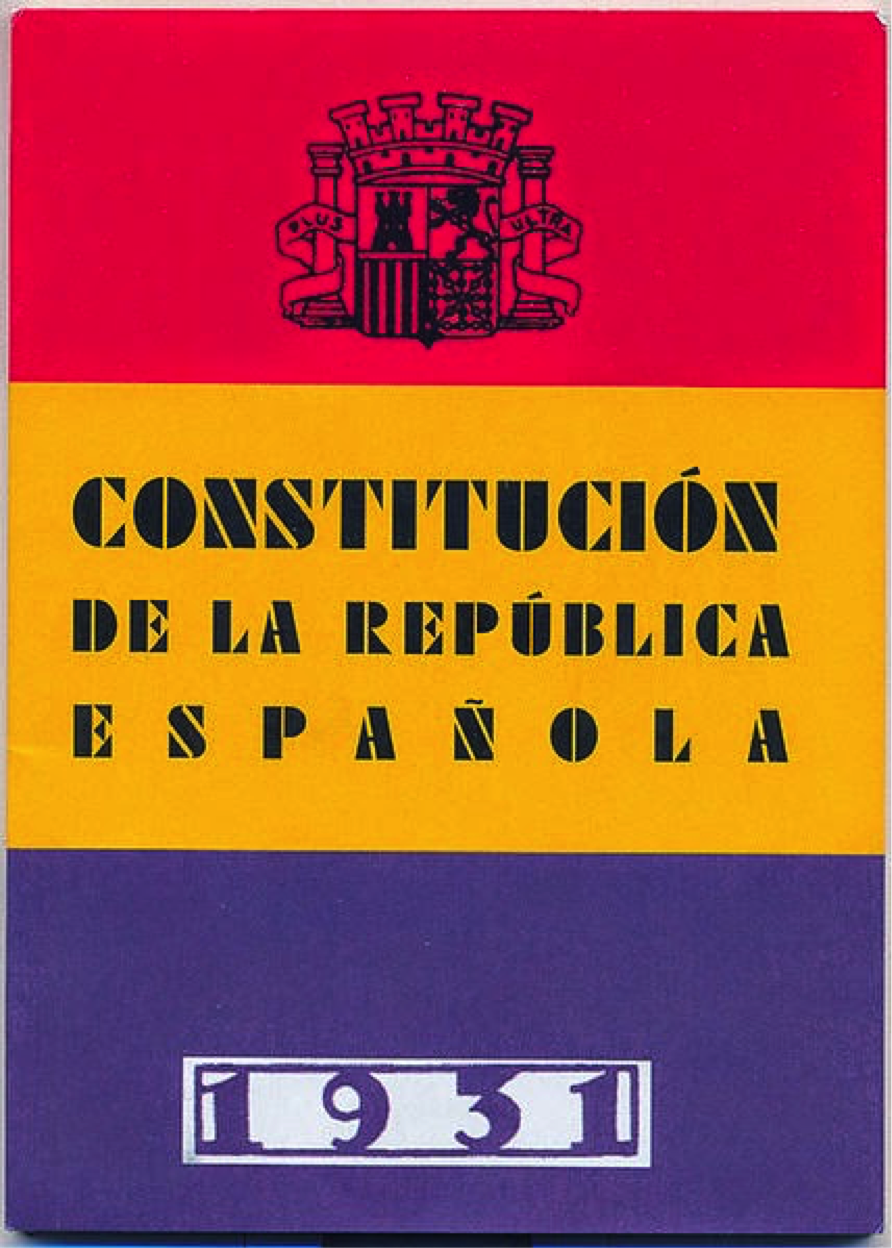
The status of women in Spain has been subject to some dramatic swings in recent history. The Second Republic between 1931 and 1936 saw a sudden opening up of all kinds of freedom and opportunity, not least for women. The values of the Spanish Republic were freedom, progress and solidarity – and that included equality between men and women as well as between classes. The belief in education as a force to change society was key. In 1930, 32% of the population was illiterate and a million children out of the population of 23 million did not attend school at all. The Republic’s policies were based on the separation of Church and state so the new schools (nearly ten thousand in the first year or two of the Republic) were free, public and secular, depriving the Church of its privileged role not only in education but also in social organisation and culture. Co-education was another innovation that at the time seemed revolutionary. Discrimination between children born in and outside wedlock was not allowed. Civil marriage and divorce were introduced, with equal rights for men and women – no longer were females the weak sex, under the domination of their husbands. They could work in the same jobs as men for the same pay, play an active part in politics and trade unions and vote at the same age as men, twenty-three.

1931 constitution flag

The military coup led by Franco in July 1936 and the Civil War that followed put a swift end to all of that. After the fascist victory, women were restored to their previous status as inferior beings whose only social function was to bring up the children. They were considered in the same way as minors: they needed permission from their husbands to travel, apply for a passport, open a bank account or sign a contract. They were discouraged from working outside the home or studying at university in favour of devoting themselves to home and family. Divorce, contraception and abortion were forbidden, as was co-education.

women prisoners

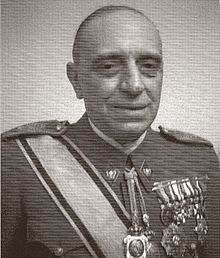
While Deborah’s research focused on the Spain of the Moors, my own research for the next novel looks at more recent history, the Civil War and the post-war years from the 1930s on. In particular, I’ve been reading up on the theories of a certain psychiatrist, Antonio Vallejo-Nájera, given high status by the fascist regime. I don’t want to reveal too much about the plot of The Red Gene, my current work in progress. I’ll just say that his theories have given the title to my new novel.

Vallejo-nájera

According to him, order, discipline, personal sacrifice and punctiliousness  in service defined the Spanish race or spirit and in order to improve it, schools, universities, workplaces, cafes, theatres, all social spheres should be militarised. He believed that Marxism and mental inferiority were inextricably linked. Men were led to Marxism by low intelligence. A study he carried out on female prisoners of war, including International Brigaders, concluded that women participated in political disorder because it gave them the opportunity to satisfy their latent sexual appetites. Reasons for their high level of participation were found in their characteristic mental instability, poor resistance to outside influences and lack of control over their personalities. It was therefore essential that the Catholic religion impose strict rules in order to curb their ‘animal tendencies’.

“When the brakes that normally contain women in society disappear, it awakens in the female sex the instinct for cruelty, surpassing all imagined possibilities, by removing intelligent and logical inhibitions and giving way to feminine cruelty that is not satisfied with merely committing the crime but grows stronger in the execution of it.”

532860

Re-education of Republican prisoners, both male and female was considered essential. He advocated separating children from their ‘red’ mothers as a preventive measure to avoid contaminating them with the evil of their mothers. In this way he justified forcibly taking babies from their mothers at birth. This would ensure that the Spanish race remained pure.

Recreating the peaceful co-existence of Al-Andalus

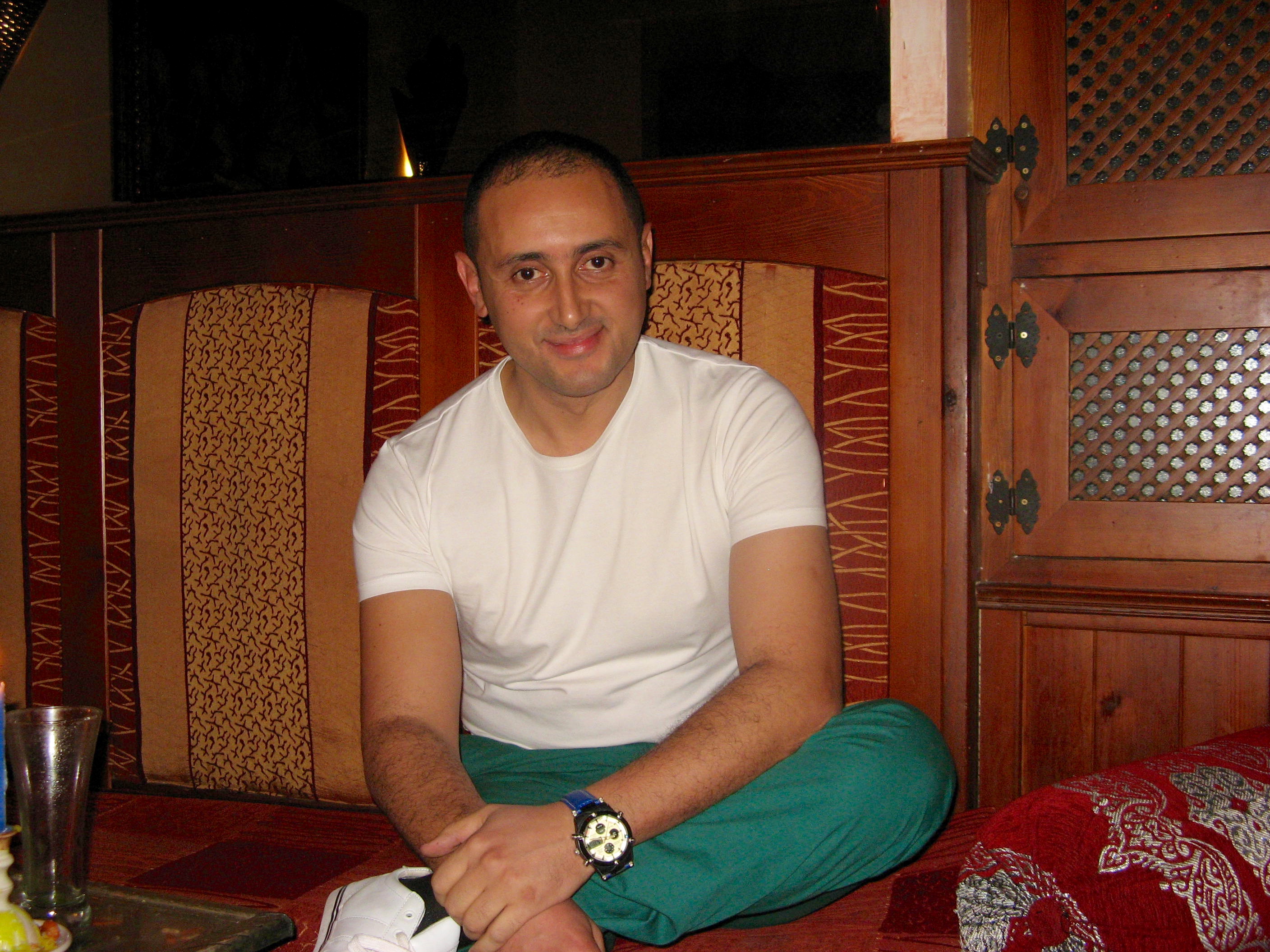
I first met Nizar Liemlahi in May when I was looking for an oud player for the Granada launch of Secrets of the Pomegranate. A Moroccan living in Granada, Nizar is not only a musician but also a qualified psychologist and the founder and director of Dar Loughat here in Granada. Dar Loughat offers Arabic language courses and cultural immersion programmes for an international clientele.

IMG_1968

In Arabic, Dar Loughat means ‘Home of Languages’ but its meaning is broader than that. Dar has classical connotations and Loughat includes the idea of cultures, the civilisations where the language is spoken. It’s an apt name because the school’s aim is to broaden people’s knowledge of Andalusian culture and create dialogue between different cultures as a way of promoting coexistence and tolerance. Students can be accommodated with local Arab families to increase their immersion in both language and culture. To this end, they can learn about Moroccan cookery or music or how to write in Arabic calligraphy. Various activities and visits are laid on, designed to show the Arab legacy in Europe – including, of course, the Alhambra.IMG_5071

IMG_1957

When I met Nizar last week he talked enthusiastically of a new weekend course he is designing: a workshop to be called The Andalusian Way to Happiness. ‘It’s a practical workshop,’ he told me. ‘The idea is for participants to share their own experiences while exploring the beautiful human experience of al-Andalus, where people of all religions lived peaceably together.’

This history of peaceful coexistence – along with the difficulty of achieving it in our times – is a theme that figures prominently in my novel, Secrets of the Pomegranate, where Deborah, the main protagonist, discovers the richness and advanced knowledge of the Arab civilisation in Granada and begins to research it in more depth, in particular the role of women. Dar Loughat would have been right up Deborah’s street.

D4CV4136

For Nizar, a Sufi Muslim, the spiritual aspect of al-Andalus is the most important. Since 2007 he has been making connections with spiritual teachers from all over the world, not all of them Muslims. ‘Sufism connects with something that existed long before Islam,’ he says. ‘Islam teaches us to recognise and accept other religions. We come from a big energy that some may call God, others nature, others the universe, but it’s all the same thing. He talks about exploring the meaning of life and finding the beauty in ourselves; about how we can feel happiness in our hearts and share it; about purifying our souls.

IMG_1976

Most importantly perhaps, he sees language as an instrument for peace between cultures, language as a way of preventing wars and conflicts. ‘We need to believe change is possible, to recognise that those of us who want peace and the chance to live in dignity and fulfil ourselves as human beings are in the majority. We must stop feeling fear and be positive. Beautiful things happen every day.’

IMG_1960

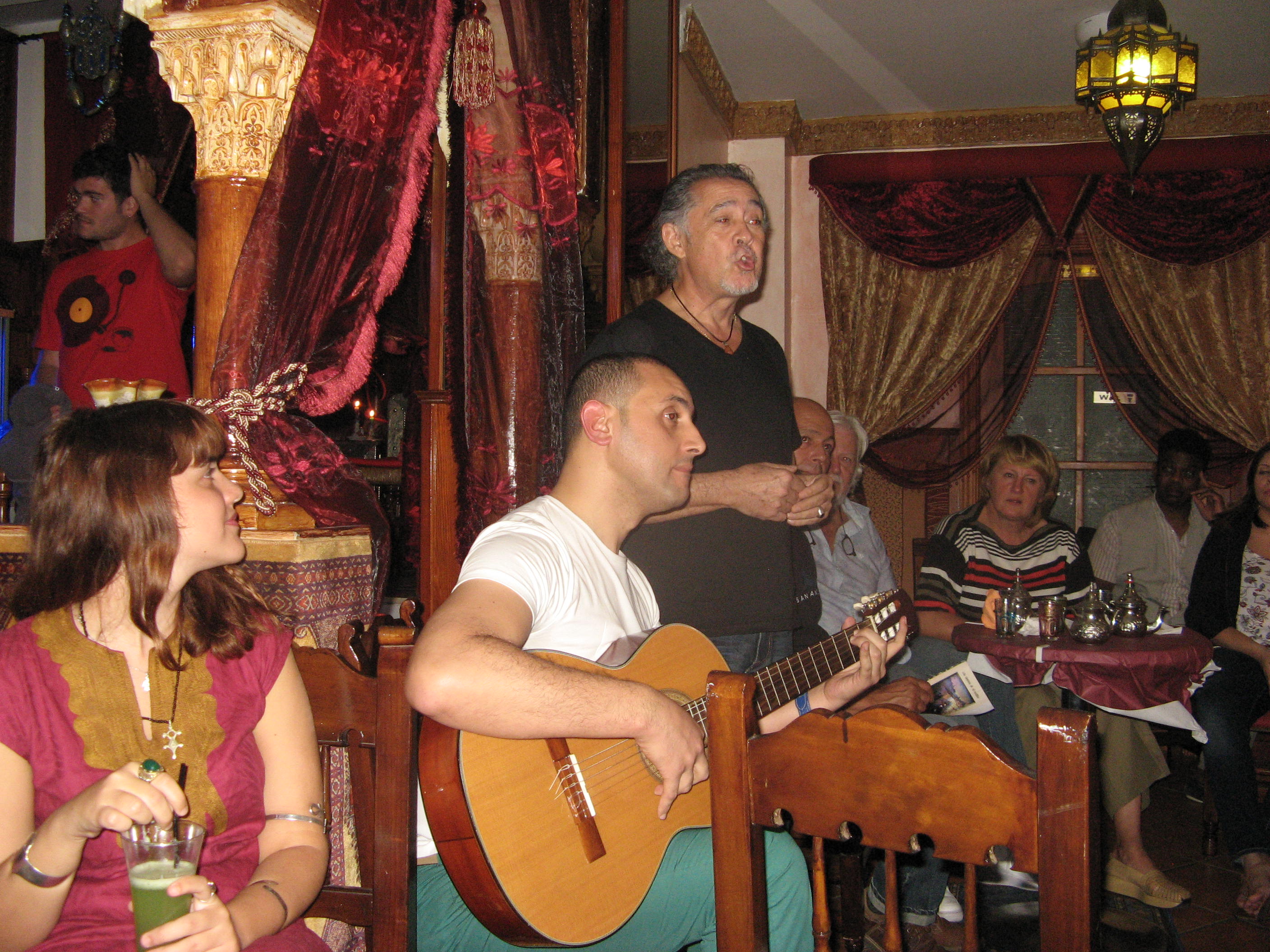
At one of Granada’s many teterías (the Moroccan tea-shops that also figure in Secrets of the Pomegranate), a group of Nizar’s students and friends from Spain, Morocco, and several European countries meet to make music, converse, read poems… We drink tea and nibble delicious Moroccan pastries. It is another of Nizar’s ideas for sharing experience between cultures. See http://www.darloughat-granada.org

Where the action takes place: photos for SECRETS OF THE POMEGRANATE

A pictorial blog this time, showing some of the locations mentioned in Secrets of the Pomegranate – for those who’ve read the book and those who might intend to.

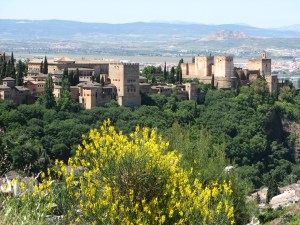
IMG_1312                                                               Sunset behind the Alhambra

IMG_9313

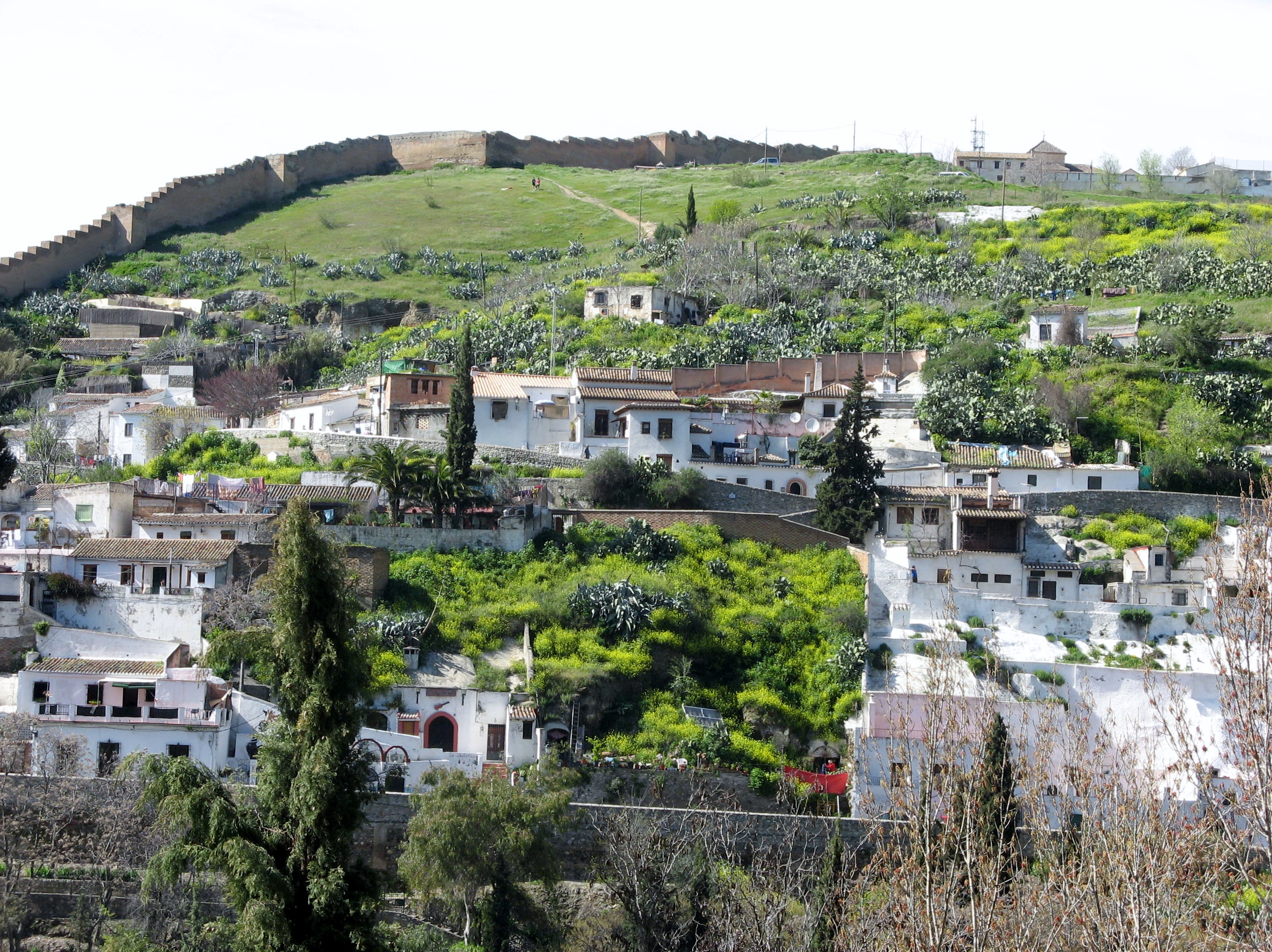
2004_0923Image0060                Sacromonte and the old Moorish wall

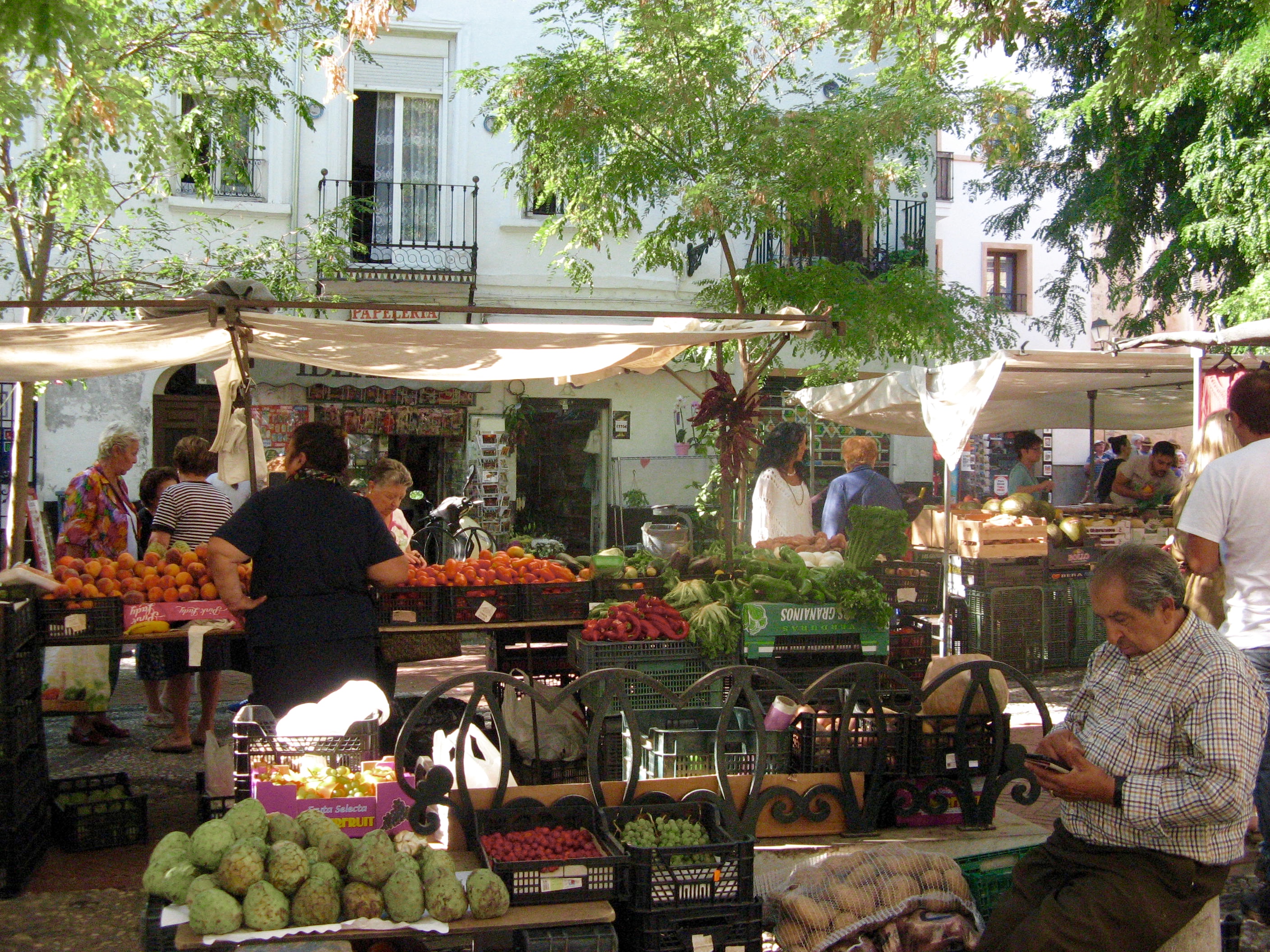
IMG_1938Trini’s stall in Plaza LargaIMG_1933

IMG_1941Bar Aixa, Plaza Larga

IMG_1943

The fish stall, Albaicín

 IMG_1951 IMG_1952

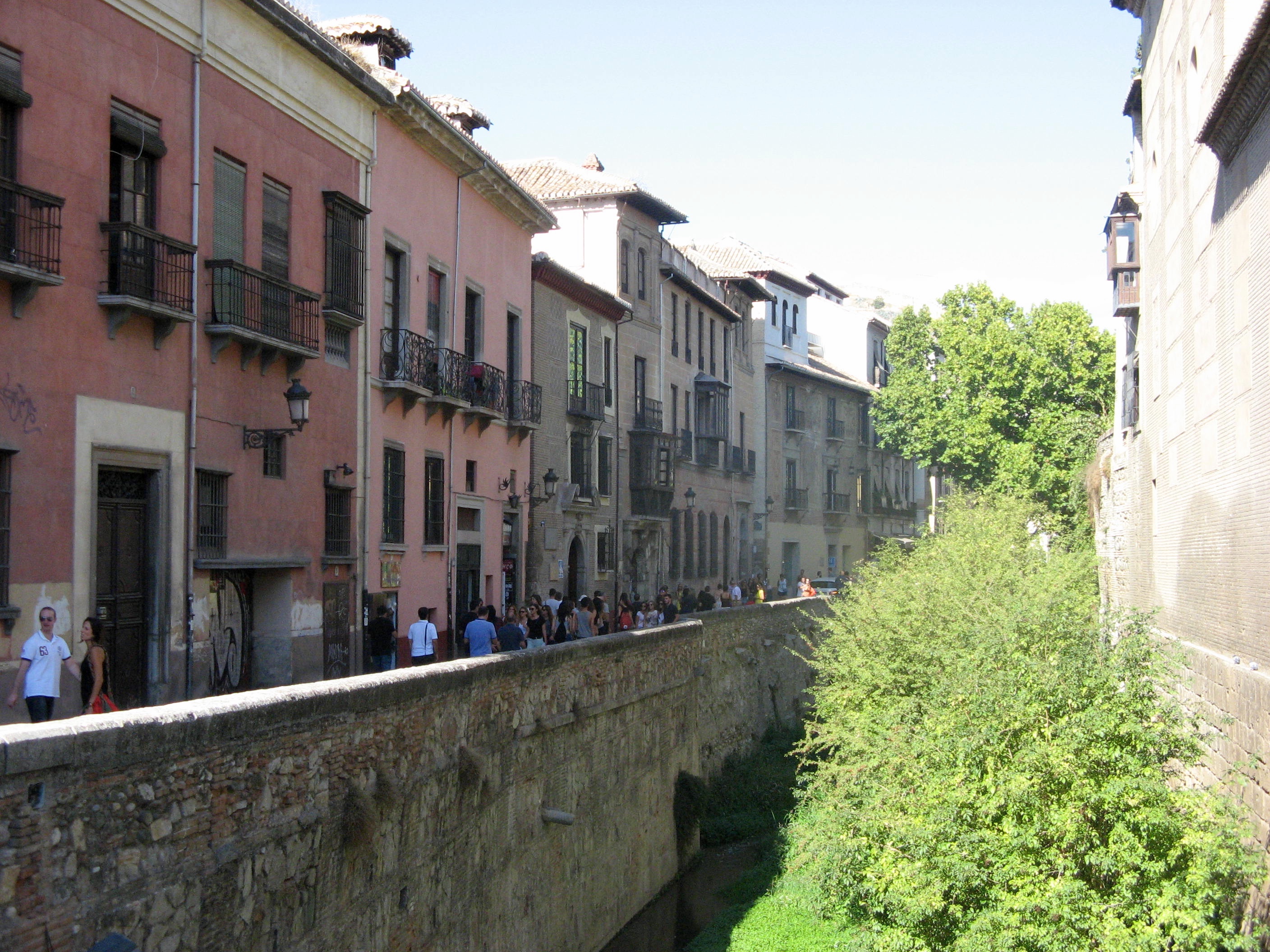
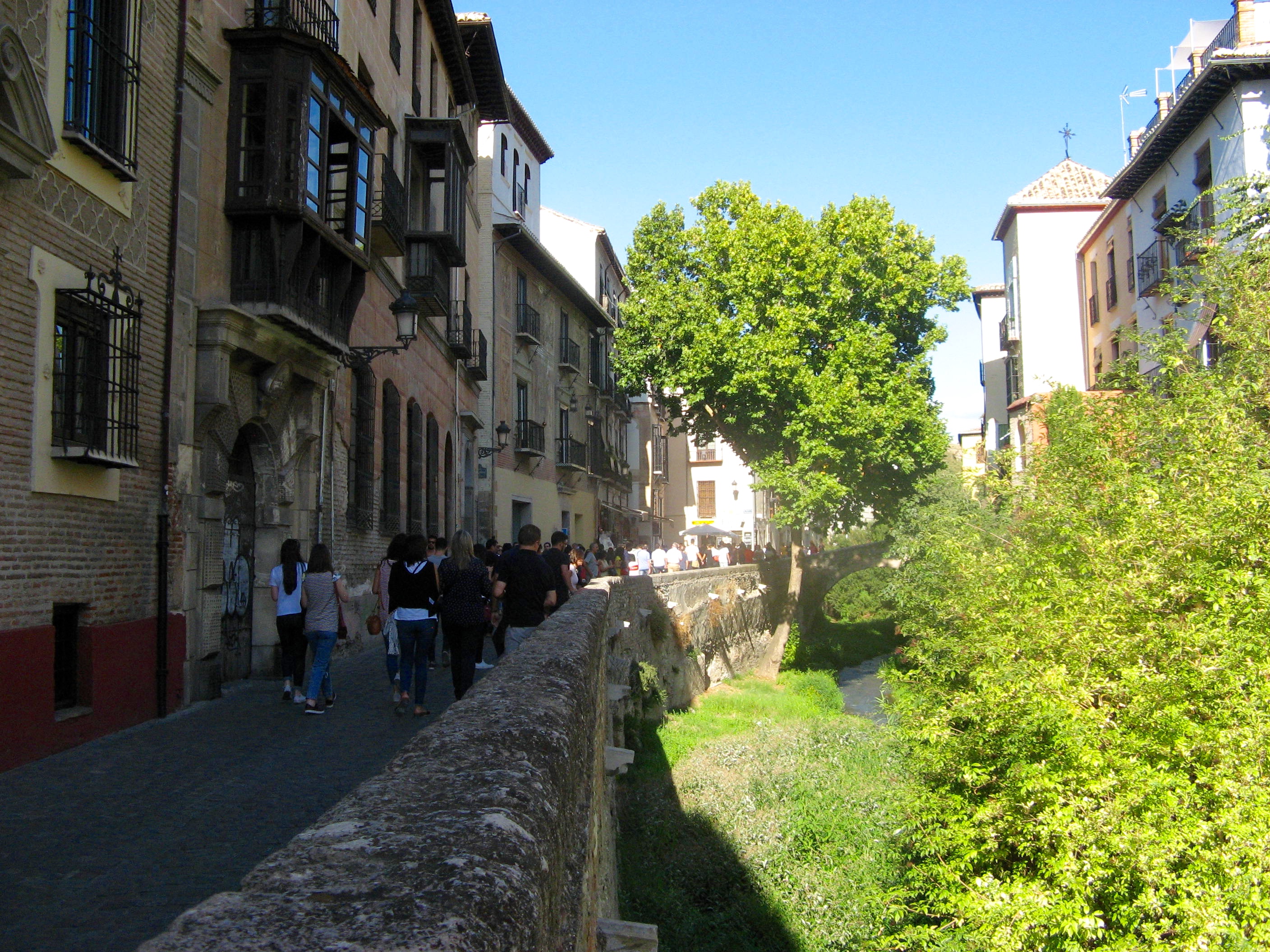
Paseo de los Tristes and river Darro

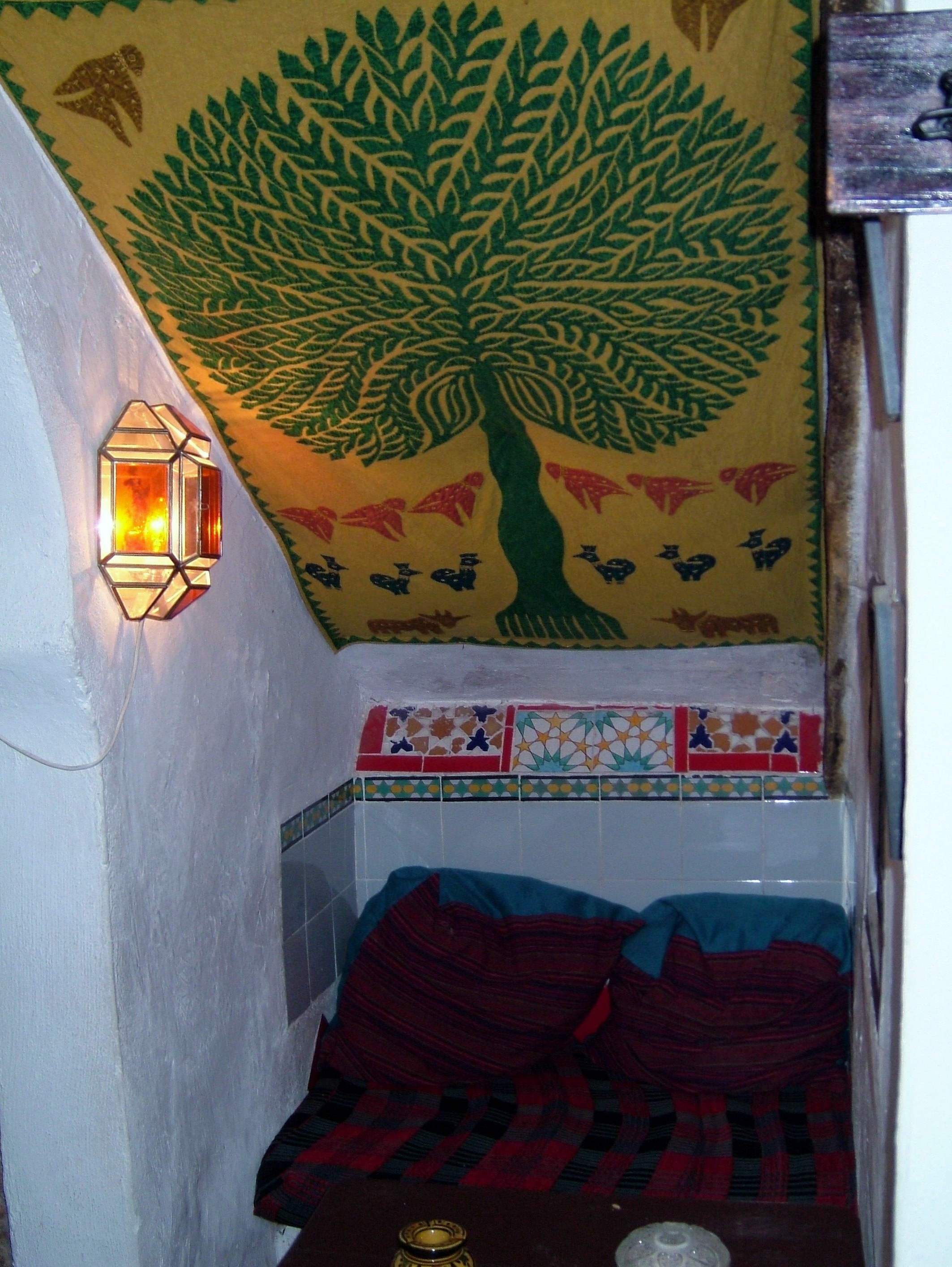
2004_1031Image0070          Tetería2004_1031Image0063

IMG_1944IMG_1946

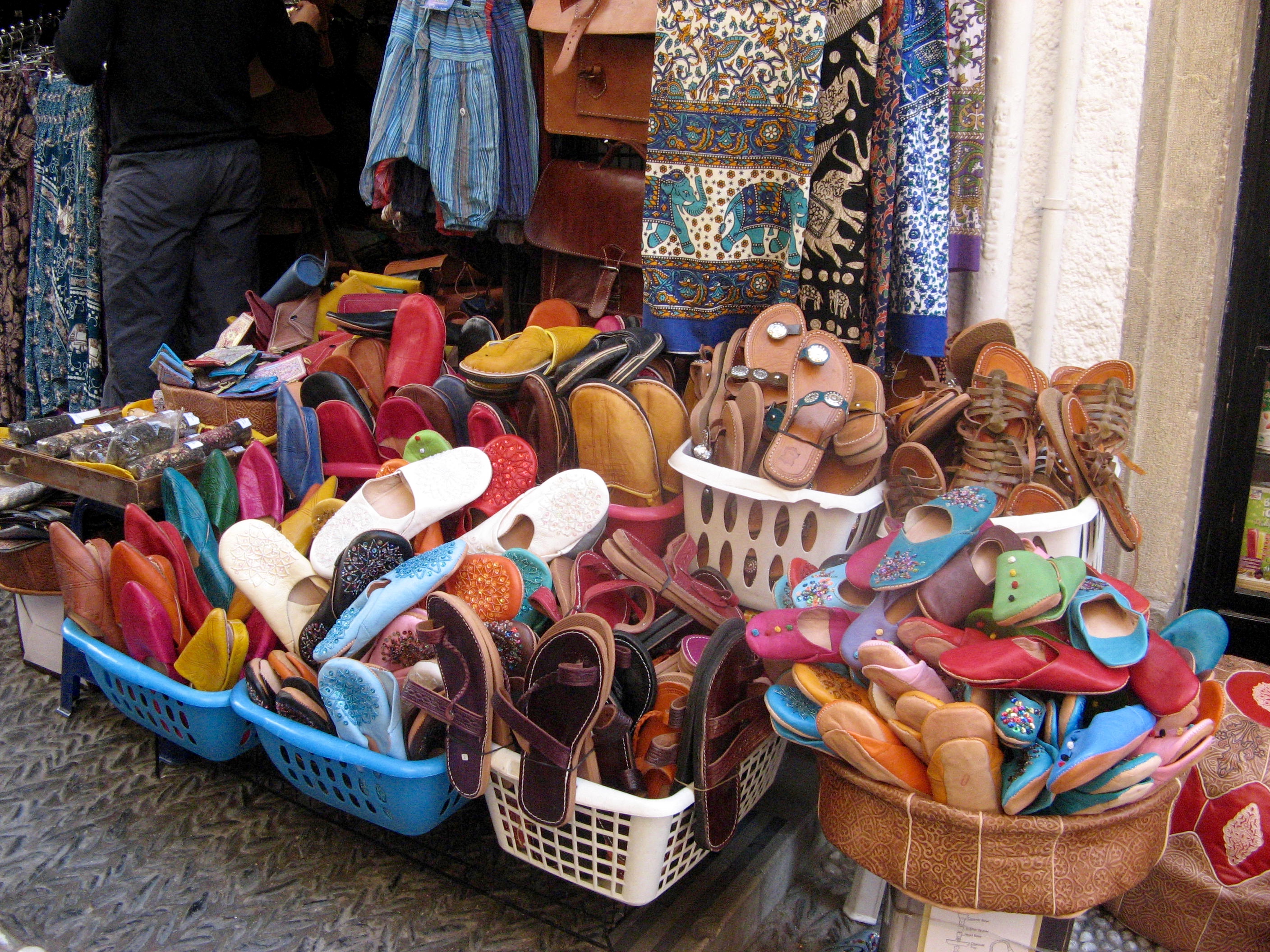
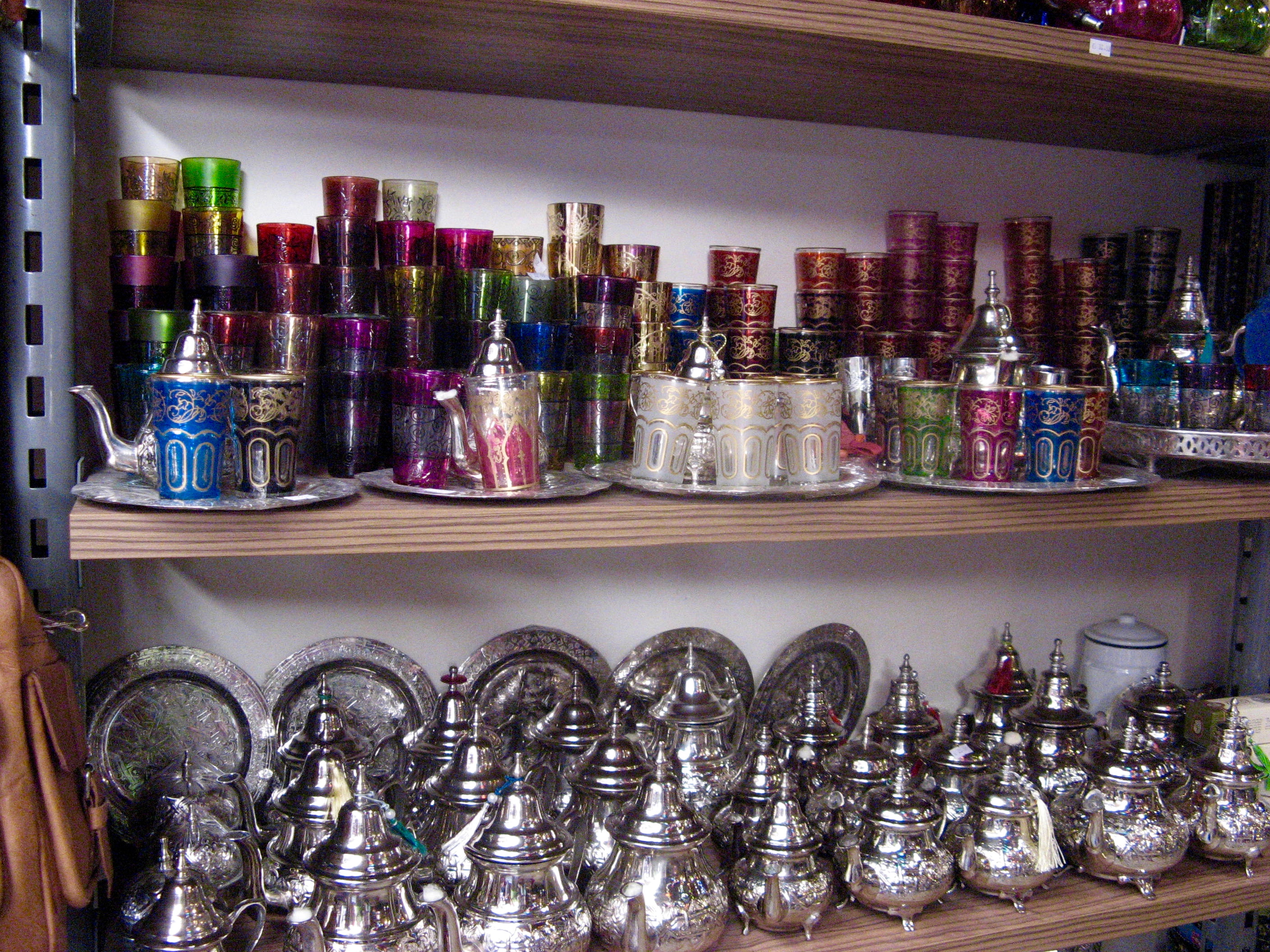
Moroccan shops in the Calderería

Quique's bar 3Quique’s Bar, Sacromonte

For more pictures, see my other blog posts, e.g. for the caves where Mark lives and some typical carmens in the Albaicín.

Bandits, Brigands and Maquis in the Sierras of Southern Spain

 As part of my research for the next novel, I’m reading two books about the maquis, the guerrilla bands who took to the hills in the years after the Civil War to continue the resistance against Franco. One is a Spanish novel, Sulayr Dame Cobijo by Ángel Fábregas, the other a non-fiction account, Between Two Fires, written by David Baird, an English author long resident in Frigiliana.

Robbery, kidnappings for ransom, shootouts with the Guardia Civil and the fear of betrayal all formed part of life in the sierras. In order to eat, these men often raided local cortijos and farms, though in many cases the farmers or landowners cooperated and gave them food or money voluntarily, either because they sympathised or to protect themselves. Both the maquis and the Guardia Civil instilled fear in the local population, who were pressured from both sides.

IMG_1642

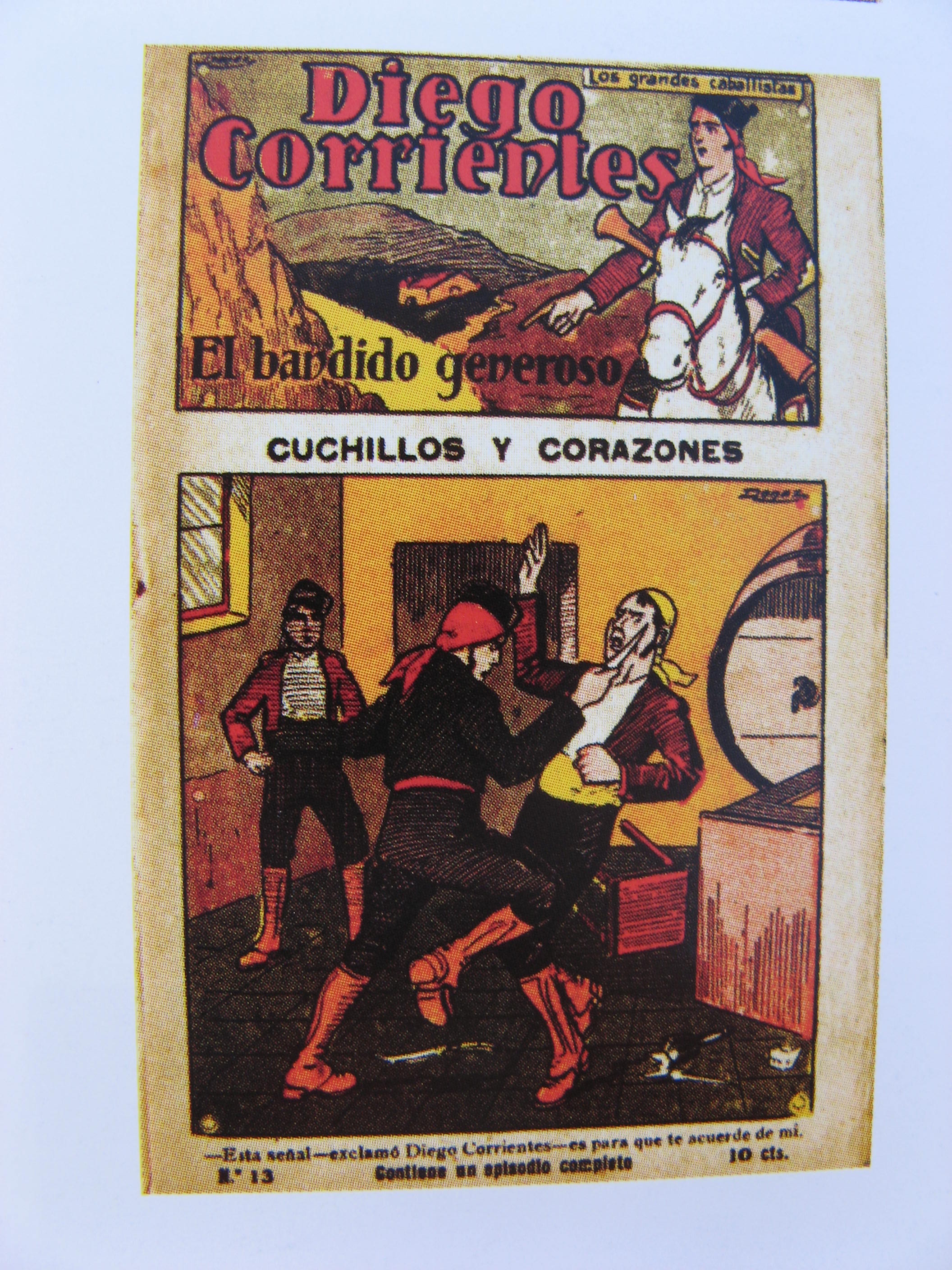
Fear of robbers or bandits was nothing new in the wild, mountainous areas of Spain. For hundreds of years bandits had preyed on the merchants and noblemen who dared take to the region’s rough roads, especially during the 18th and 19th centuries. They captured popular imagination, instilling admiration as well as dread. Revered by some as Robin Hood figures, robbing the rich to help the poor, they quickly became household names in the local towns and villages, their notoriety enhanced by the colourful nicknames assigned to them: El Tempranillo, ‘The Early Bird’, who started out in banditry at the tender age of thirteen, El Pernales, whose sentiments were supposedly as hard as pedernal (flint), El Vivillo, the crafty one, named for his mental agility, El Tragabuches, ‘Swallowbellies’ whose name was inherited from his father, reputed to have once eaten a donkey foetus.

    José Ulloa, ‘Tragabuches’     

José Ulloa 'Tragabuches'European travellers like Prosper Merimée, Théophile Gautier and Washington Irving longed to meet these romantic figures and were disappointed when their journeys proved uneventful. Bandits, smugglers and flamenco artists peopled their imaginations as they journeyed through Andalucía, taking little note of the poverty and hardship, the bitterly unjust feudal system that characterised rural life at the time. Many of the bandits were forced into a life of crime on the margins of society by desperate circumstances.                                                                                                     El Tempranilloengraving of El Tempranillo 1834IMG_1158

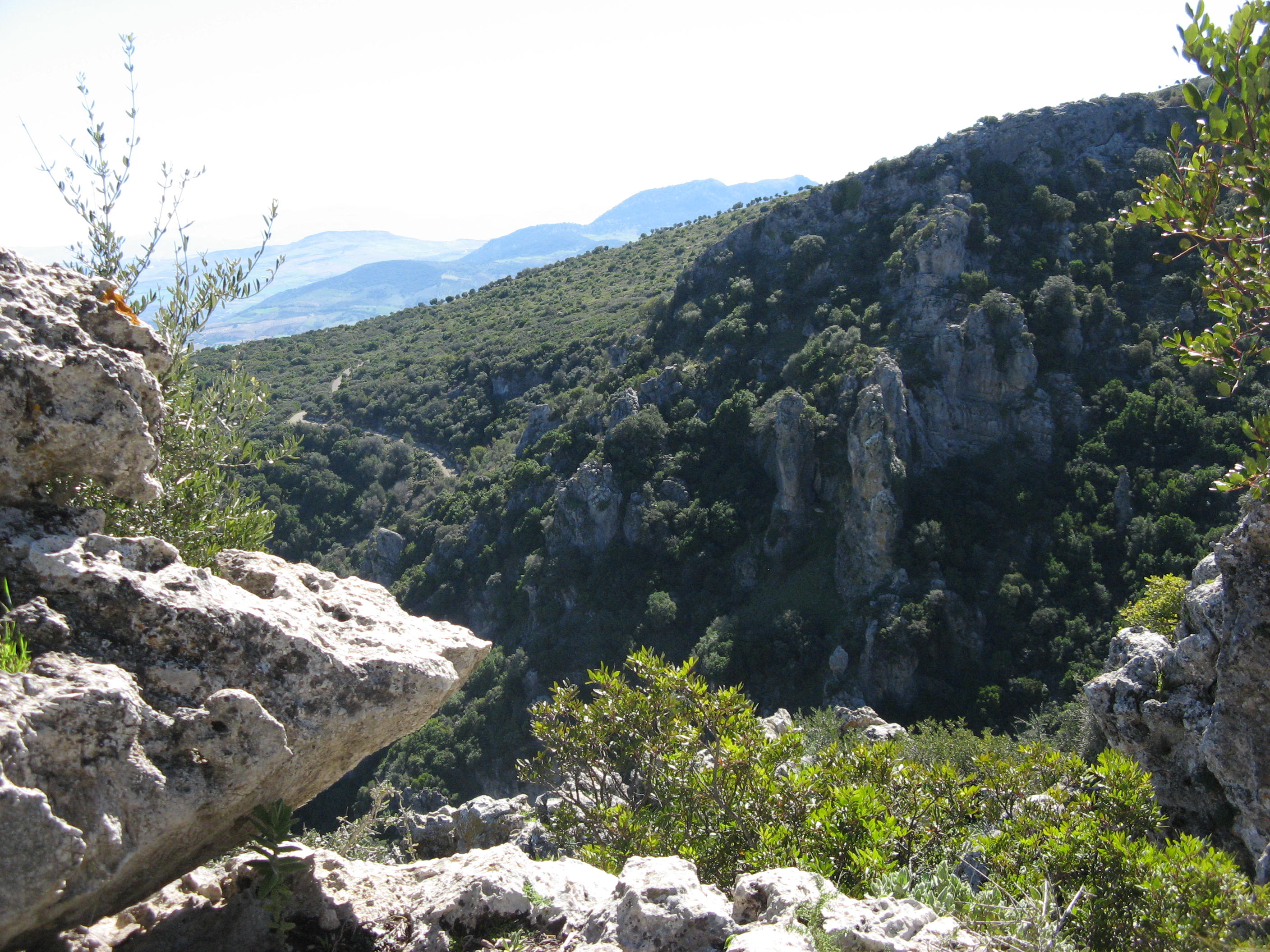
They roamed large tracts of Andalucía, especially in the provinces of Málaga and Cádiz between Seville, Córdoba and Ronda, and further north in the sparsely populated Sierra Morena. The mountainous terrain of the Serranía de Ronda, for example, much of it covered in thick forests of cork, gall and holm oak with many natural caves and solitary cortijos to hide in was ideal territory for fugitives and those living outside the law. It was here in 1934 that the last of the area’s notorious bandits, Pasos Largos or ‘Long Strides’ met his death, shot by the Civil Guard, which had been set up in 1844 specifically to put an end to criminal activity in the sierras.

cave near Jimena

These forests and mountains along with other similarly wild areas proved equally useful to the maquis in the 1940s and 50s. During and after the Civil War, the Guardia Civil were feared and hated by one side, valued as protectors by the other – as revealed in some of the interviews I’ve been conducting in Granada with older people from families of very different backgrounds. In addition to the many fatal shootings by both maquis and Civil Guard, violence on a lesser scale was also rife, beatings an everyday occurrence: stealing a few potatoes in the countryside to feed your desperate family was sufficient cause. For many decades, fear was a normal accompaniment to life for a large part of the population.

The next novel: a love story with a Civil War background

After all the excitement of publishing Secrets of the Pomegranate and the investment of time and energy in promoting it, I’m now trying to turn my mind to the next novel, sadly neglected these last few months. The plot has been in my mind for two or three years and I’ve been researching, reading and talking to people for some time. The Red Gene (provisional title) is also set in Spain. I don’t want to give away too much at this stage but it spans three generations of women from 1936 to the present day and starts with a British nurse who goes out to Spain with the International Brigades at the beginning of the Civil War.

IMG_1551

civil war hospital

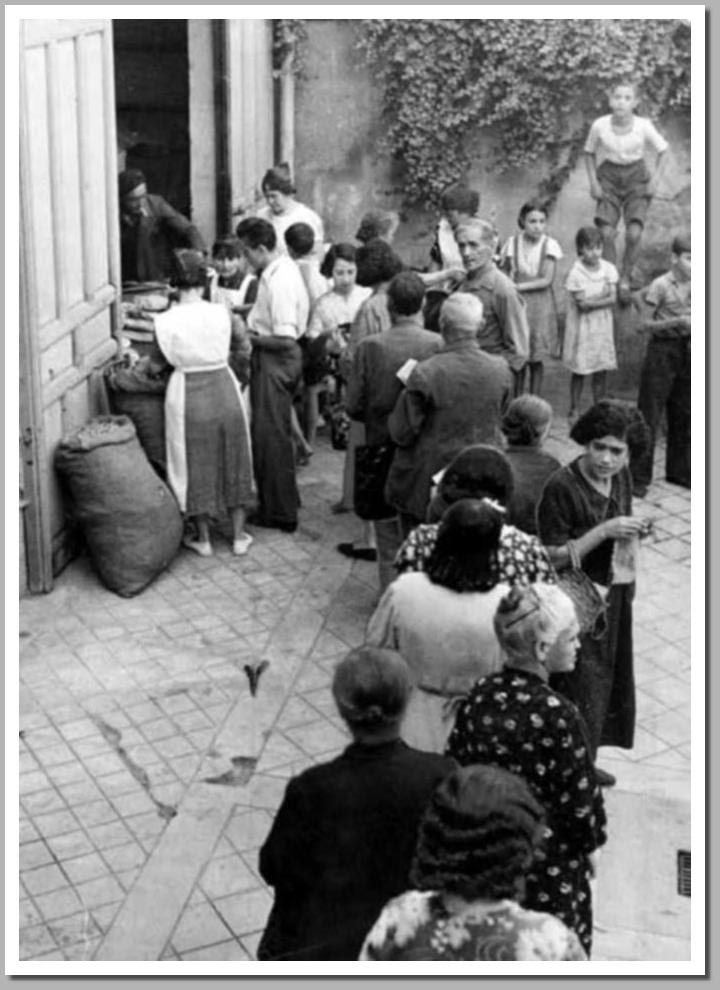
The historical setting means a lot more research is required than for my other novels. My pile of books (and there is no shortage of books on the subject of the Civil War) is multiplying at an alarming rate while time for reading is not. Meanwhile, the number of people with memories of the war is diminishing and even for the next generation it can be a sensitive topic in Spain. In my interviews with older people I am concentrating more on the details of everyday life: what they ate, the games they played as children, schooling, family life and what part religion played in their lives. I am fascinated by what I hear, though some of the stories reduce me to tears.

queue for bread ration Sept 1936

IMG_1392

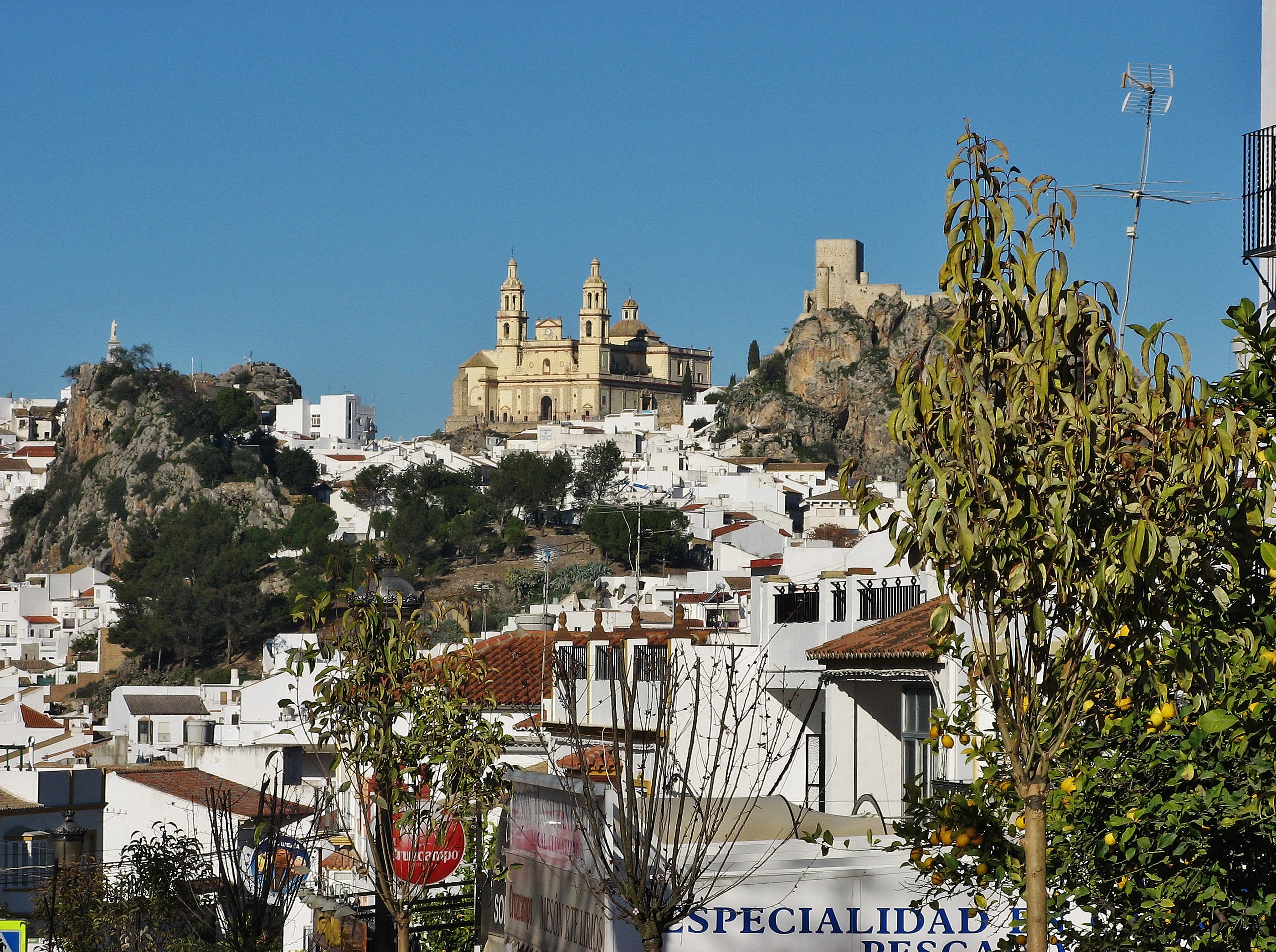
The Red Gene will have as backdrop some of the darker chapters of Spanish history: the brutality of war, the disappearances and executions by firing squad in the years that followed; stolen babies, mass graves, the slave labour of prisoners, the ‘starvation years’ of the posguerra and the atmosphere of fear that hung over ordinary people during the years of dictatorship, repression and widespread poverty. You only have to pass through some of Spain’s villages with their massive churches towering over a huddle of small houses to get an idea of the power of the Catholic Church in people’s lives during those years.

Olvera 2

If all this sounds depressing, I hope my novel will not be. The spirit of the three main (female) characters in dealing with the – in some cases tragic – situations they face and overcoming difficulties, the solidarity of those fighting for their ideals and fighting against fascism, the courage and resilience of ordinary people will, I hope, shine through. The Red Gene will be a love story, a historical novel and a family saga. Central to the plot will be what can only be described as a crime. But it will have a resolution that is – like that of Secrets of the Pomegranate – positive to an extent.