Granada’s snow-men

IMG_4179

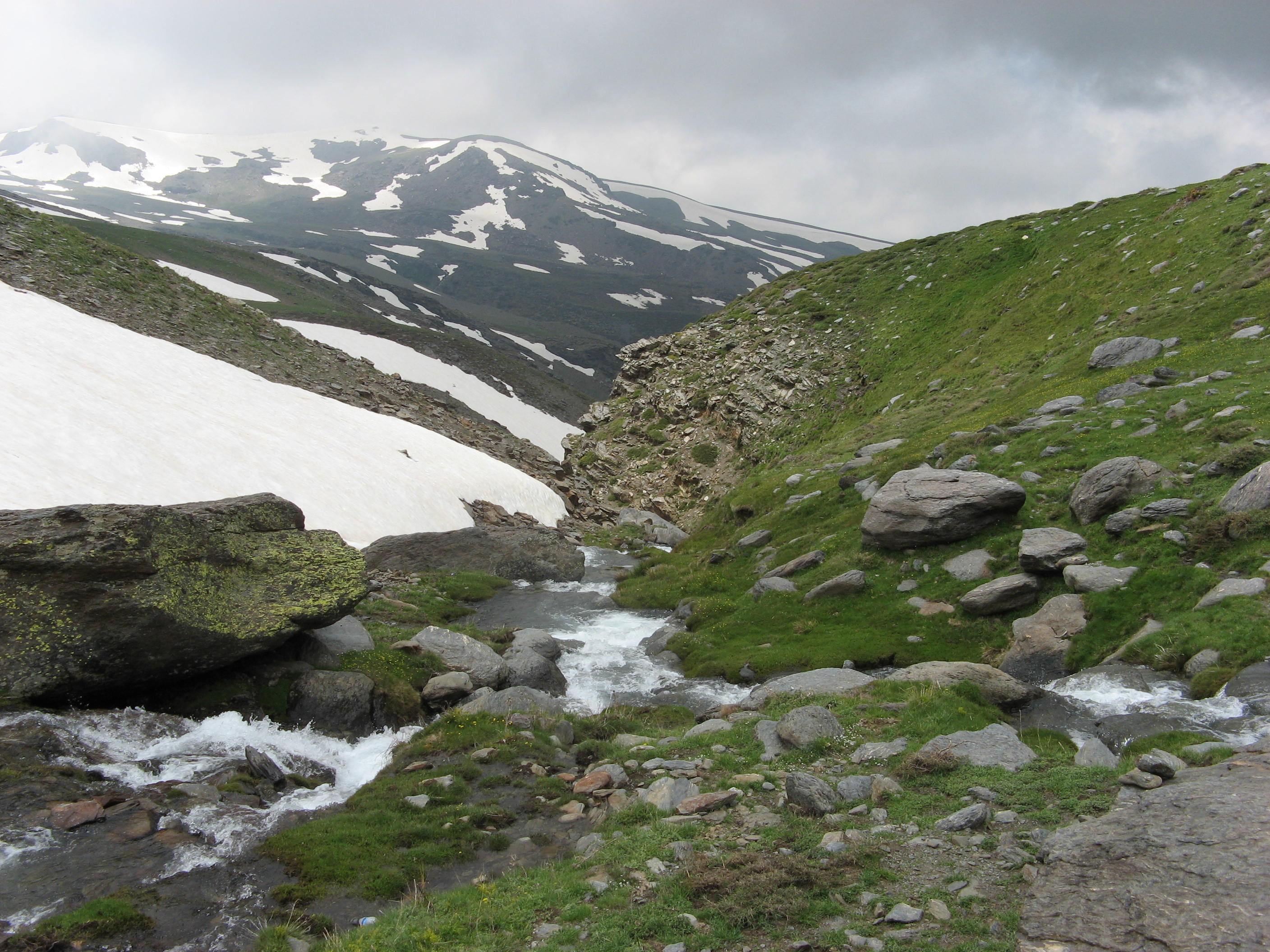
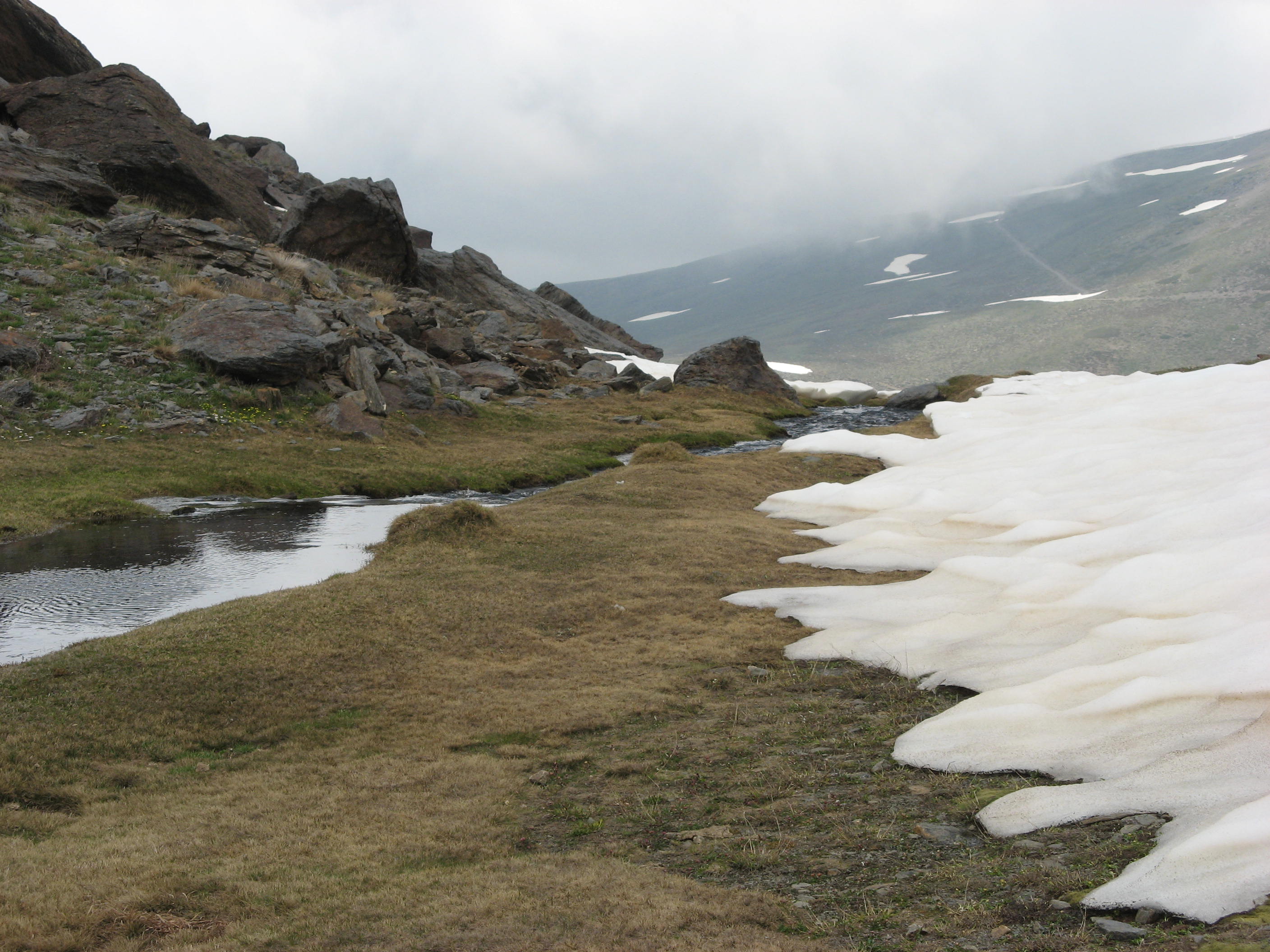
On a recent hike in the Sierra Nevada, on a June day of high temperatures in the city, I was glad of the gloves, woolly hat, scarf and thermal vest that I’d long put away for the winter. At around 3,000 metres, it was cold – 7 degrees when we got up there at 10 o’clock. Walking some of the time on thick snow, I was reminded of los neveros, teams of hardy men from the villages who, before the days of refrigeration, used to trek up to the high Sierra to fetch snow so that those living in the city could keep cool in the summer heat.
IMG_4173

The tradition of fetching snow from the Sierra Nevada goes back hundreds of years, probably from the times of Muslim al-Andalus, and it continued until the early 20th century. No written accounts remain of these expeditions, the neveros being mostly illiterate. It was the botanists, wandering the mountains in search of plants and herbs, and later the romantic travellers of the 19th century, who documented their encounters with the ‘snow-men’.

They described how the men would set out in the early hours, accompanied by mules and climb steadily until late afternoon, singing as they walked; how they would stop on the way to eat their provisions of bread and cold meats while the mules munched hay from their panniers; and how in the hot summer months they would have to ascend the very highest peaks – well over 3,000 metres – to find enough snow. Then they would set to work with picks and shovels, filling each esparto (woven grass) pannier with as much as 150 kilos of snow. At sunset, with the air starting to cool, they would begin the long trek down, covering the panniers with blankets to stop the snow melting. It was tough work – the round trip of 50 kilometres meant they had to walk for around 18 hours. Back in Granada by dawn, the men could at last rest, while the ice-sellers began their distribution.

IMG_4180

The industrial revolution soon made the neveros redundant. What had been by long tradition a free activity – the right to extract snow from the Sierra Nevada and sell it in Granada – was now monopolised and sold off by the Council and in the early 20th century an ice factory was established in the city. Cheap artificial ice-cubes took over from the natural mountain snow, making the work of the neveros economically unviable. The highest road in Europe, reaching a height of 3,392 metres, was completed in 1925 and further extended ten years later. Areas previously accessible only on foot or horseback could now be reached by motor vehicle.

IMG_4172

                The use of snow from the Sierra Nevada did, however, see a revival during the 1940s. In the times of desperate poverty following the Civil War, power cuts and other restrictions made it necessary once again to collect snow from the mountains during the summer months, although it could now be loaded in wooden crates and transported by lorry. Among other rights with a long tradition that had been revoked but were now re-established (including the right to pan gold from the rivers), was permission to sell snow in the streets of the city.
Life in the Indie World

 DSC_2159

‘Indie Publishing’. How much nicer a term than ‘Vanity Publishing’. Not that it’s the same thing of course. Or so I tell myself – though inevitably there is an element of vanity in paying to see your writing in print. Self-publishing still has a stigma attached but far less than it used to. It’s true there are some very badly written self-published books. But then not all traditionally published books are well-written either.

For years I resisted the idea of ‘doing it myself’. What was the point? I was realistic enough to know I wouldn’t make money from it and what possible kudos could there be in a purely financial transaction that required no vetting of quality; that anyone could enter into if they had the money, regardless of writing talent?

On the other hand, I’d spent over thirty years writing fiction: sweating it out, investing endless time, energy and emotion in the seven novels that still languished unread on my computer, their printed versions gathering dust on my overloaded shelves. I’d also invested money in courses, workshops, retreats, a professional critique… I’d learnt a lot. I’d had enough success as a travel writer and journalist to know I could write. Two earlier novels had almost made it. Yet still the goal of publishing a novel eluded me.

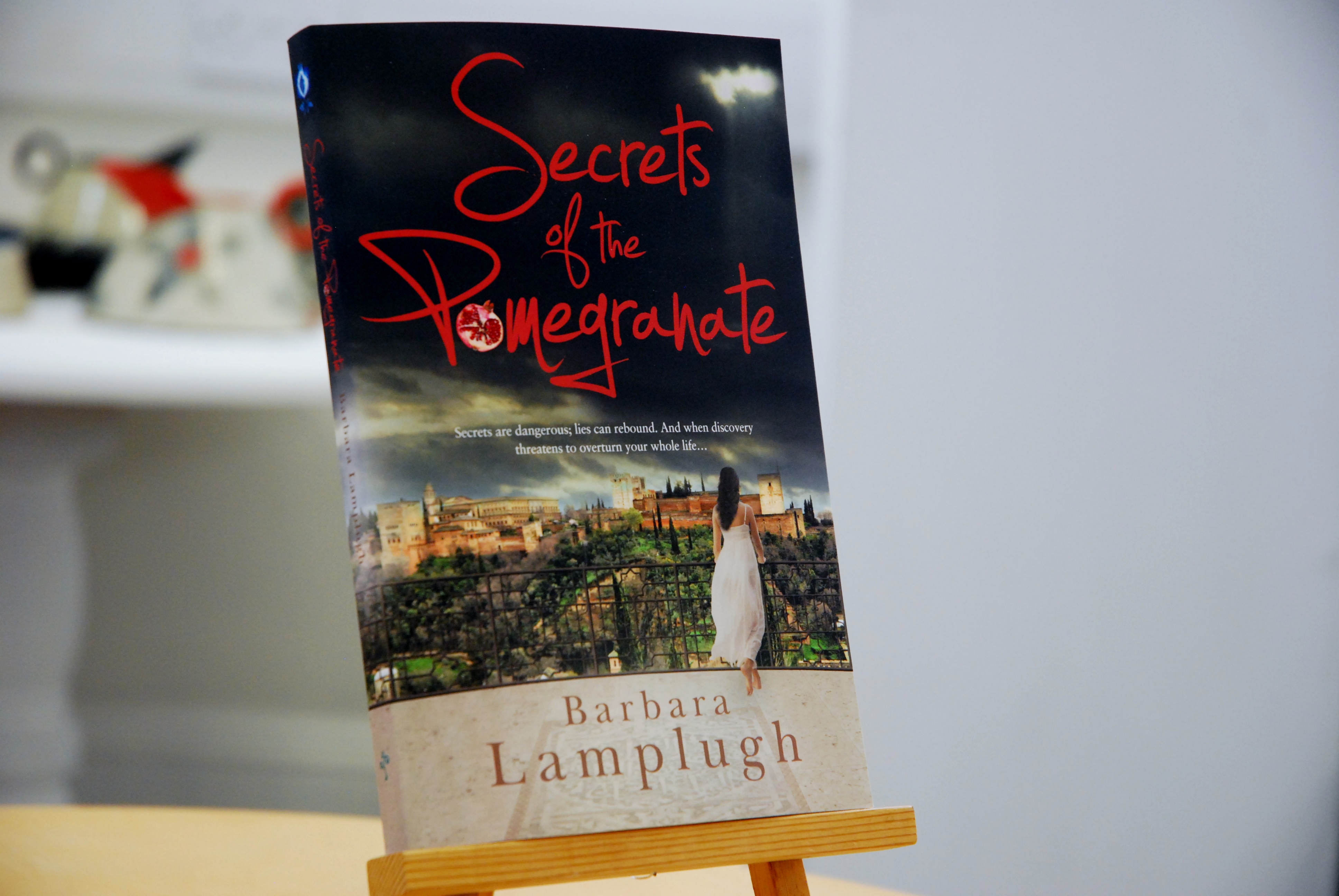
So, early this year, despite my conviction there’d be no pride or satisfaction in paying to be published, I took the plunge. I’ve been surprised and gratified by the response: the positive feedback and enthusiasm, the compliments on both the book itself and the hard work and determination involved in first getting it into print and then getting it noticed. Besides, what can compare with the thrill of actually holding the book in my hand, feeling the weight of it; seeing it on the shelves of a bookshop and listed on Amazon with five stars against it?

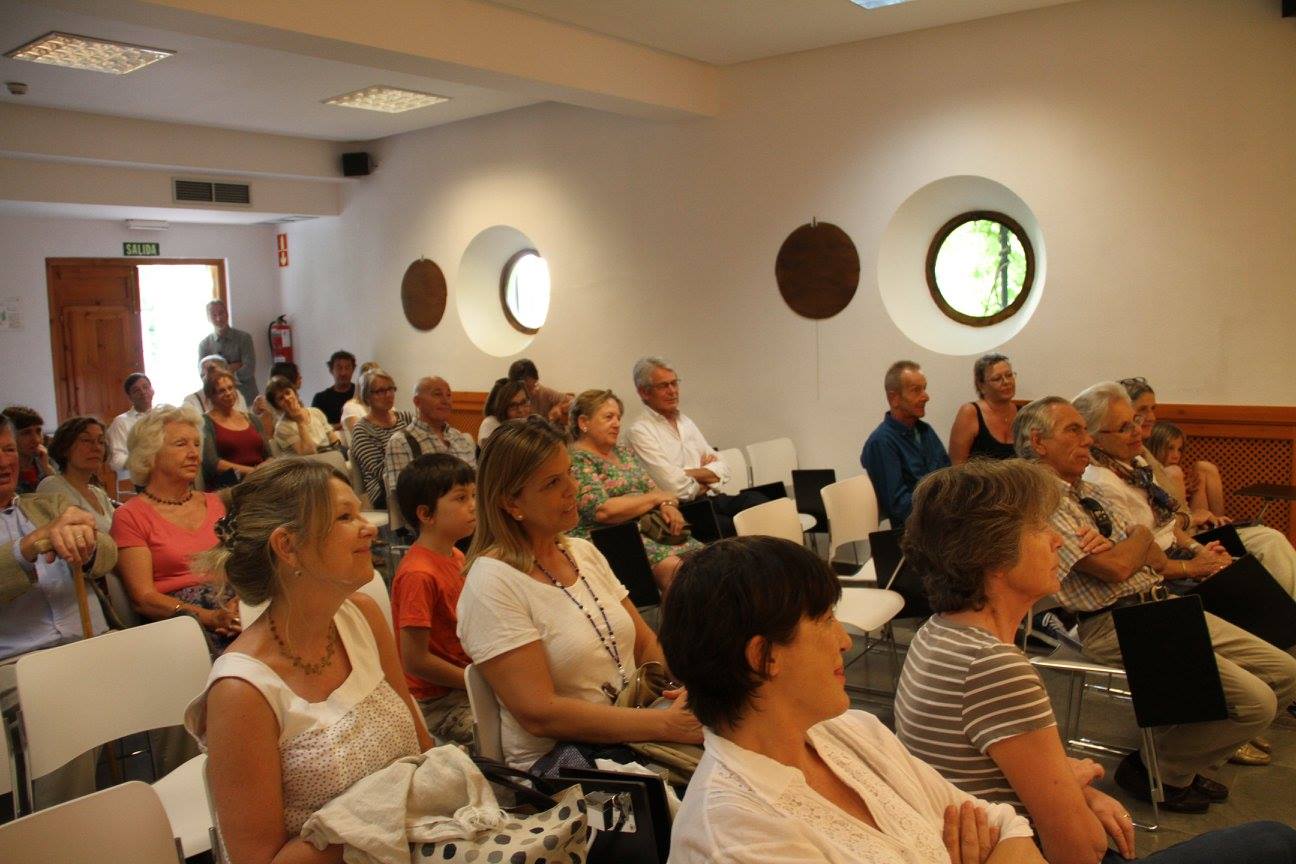
audience

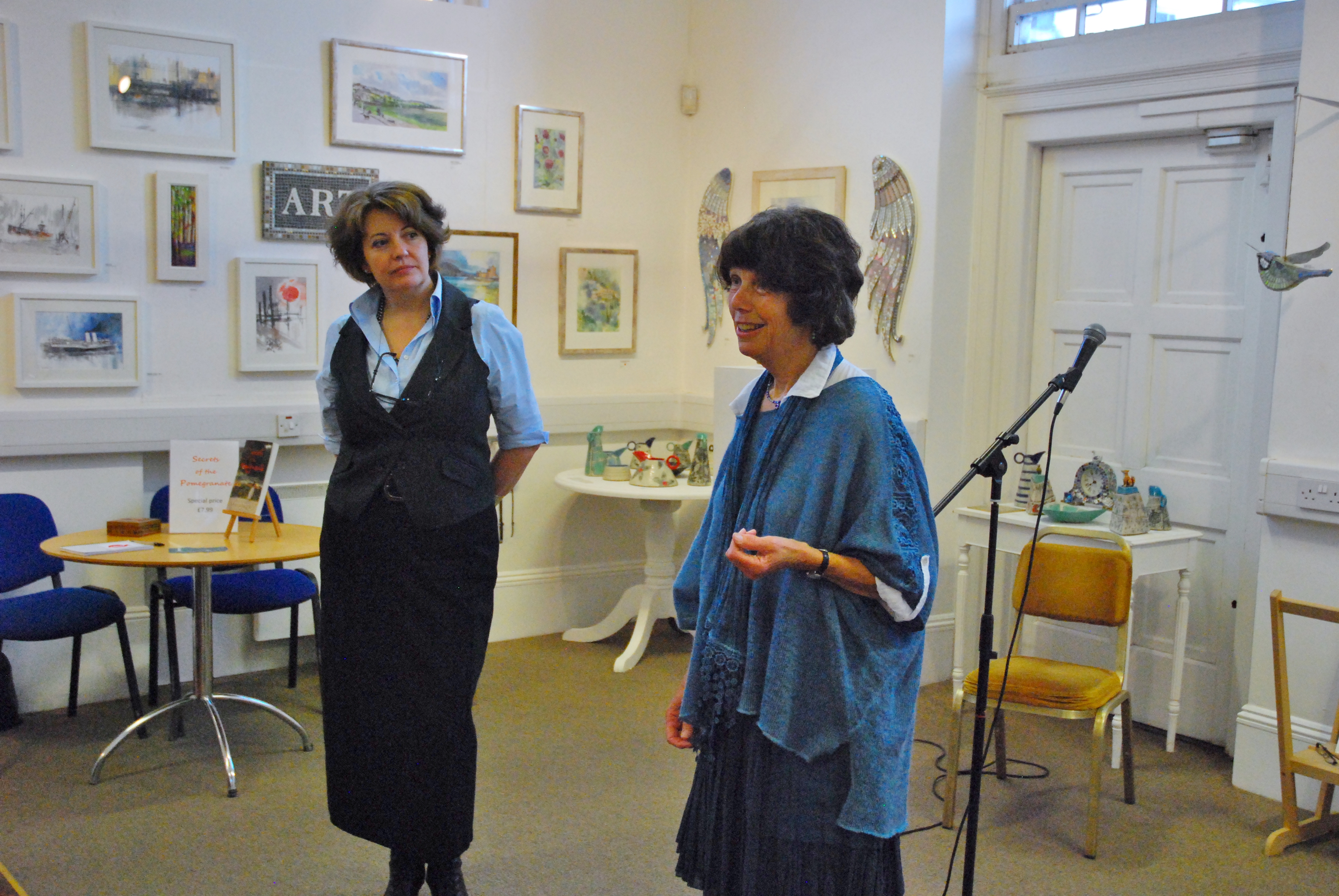
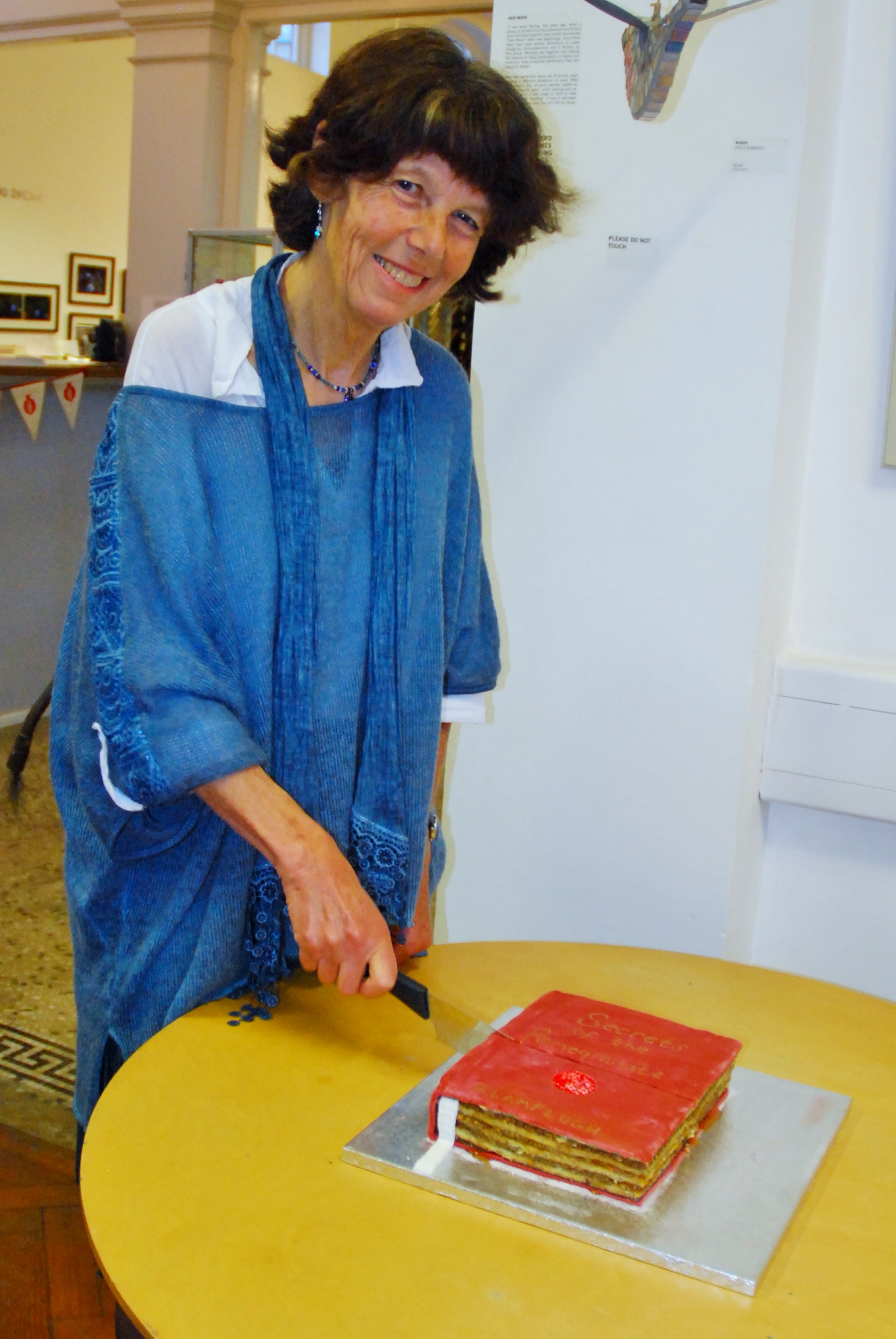
I’ve entered a whole new world I knew nothing about – blogging, social media, organising launches, negotiating with booksellers – they’re all terra incognita. I’ve found a group of supportive, generous and helpful online friends who are sharing the same journey, as self-published authors. Then there are the old friends I’ve sought out and been reunited with at my launches and presentations, a series of great parties in a variety of fabulous venues: an art gallery, a traditional yet lively independent bookshop, the magical gardens of an old carmen… Each one has been different and special.

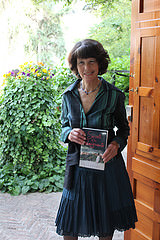
Barbara_presentación_19DSC_2205

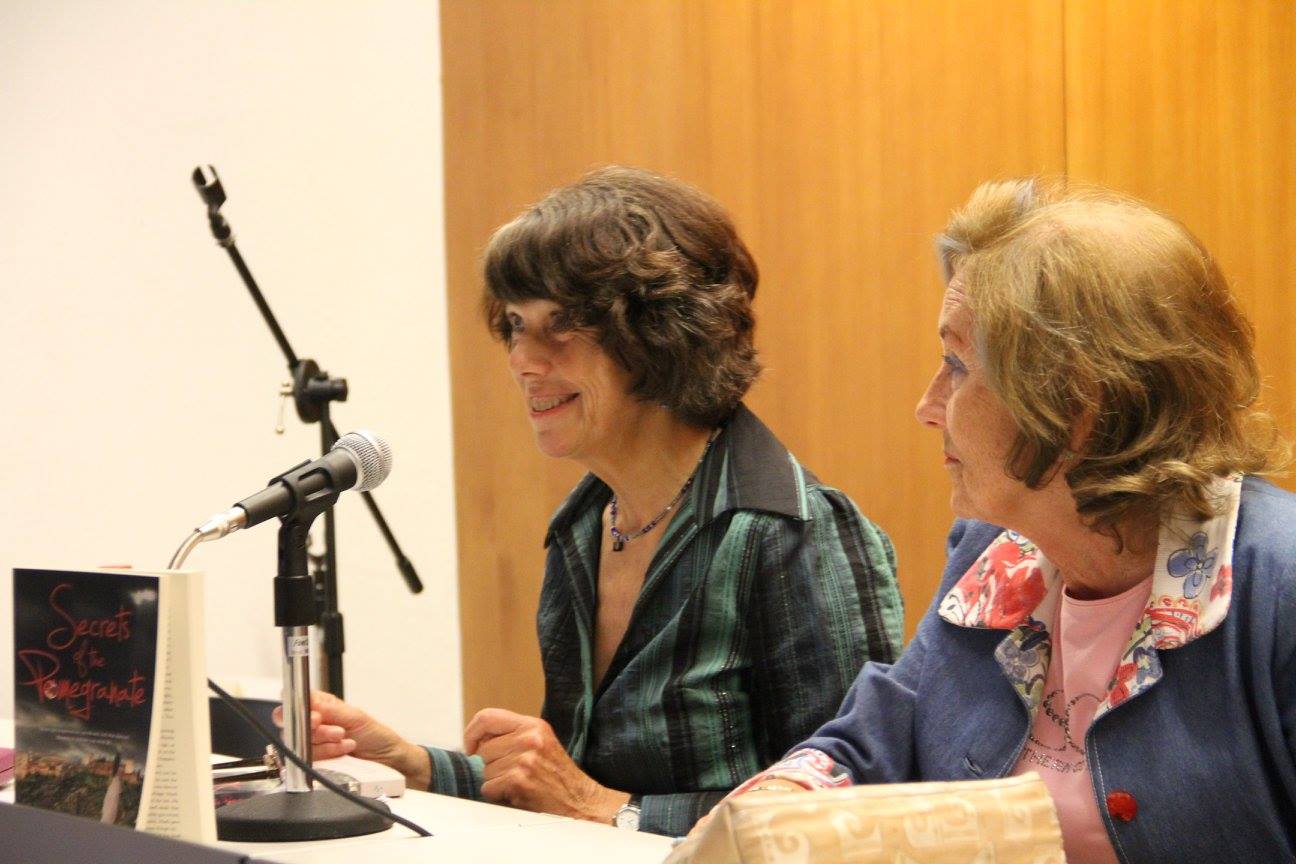
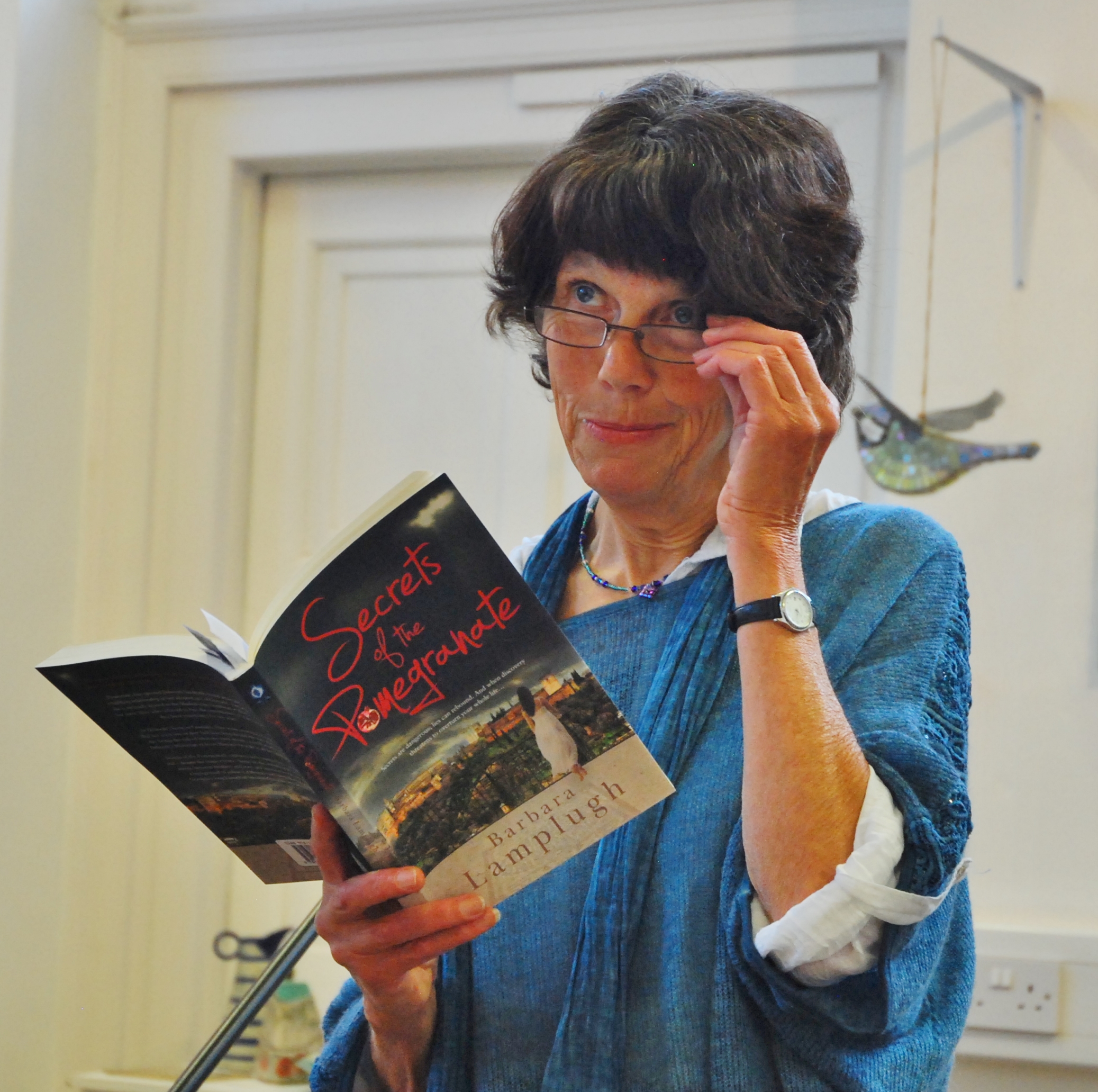
Has my personality changed, I wonder? I’ve always been quiet and self-effacing, but confronted with the need to promote myself and sell my book, I’ve had to become dynamic; even a little pushy. I’m not used to being the centre of attention but as star of the launch events, I’ve felt and begun to act like a minor celebrity. I take a step backwards and can’t believe what I see. Me? This collector of rejection letters and unwanted manuscripts – suddenly a star?

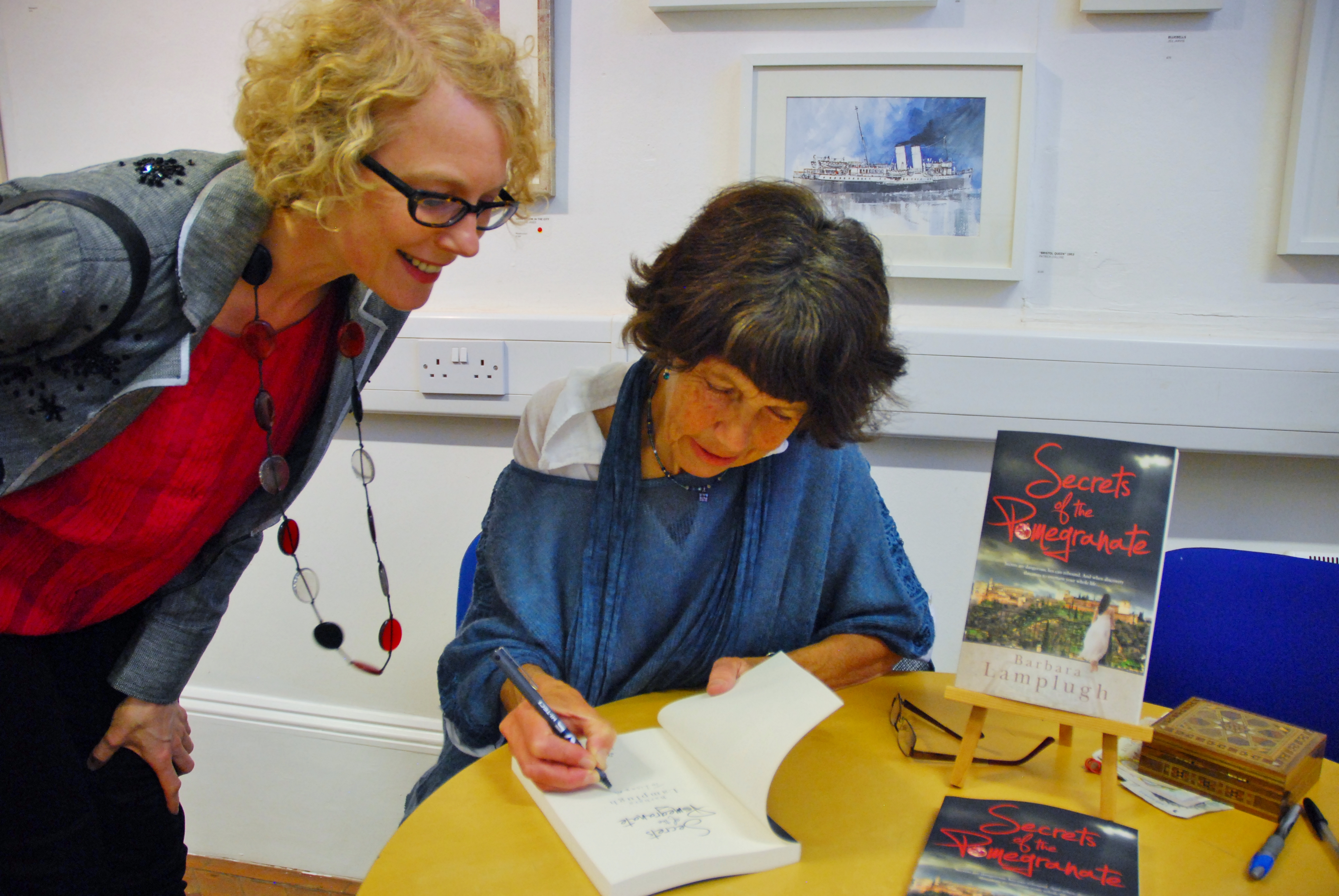
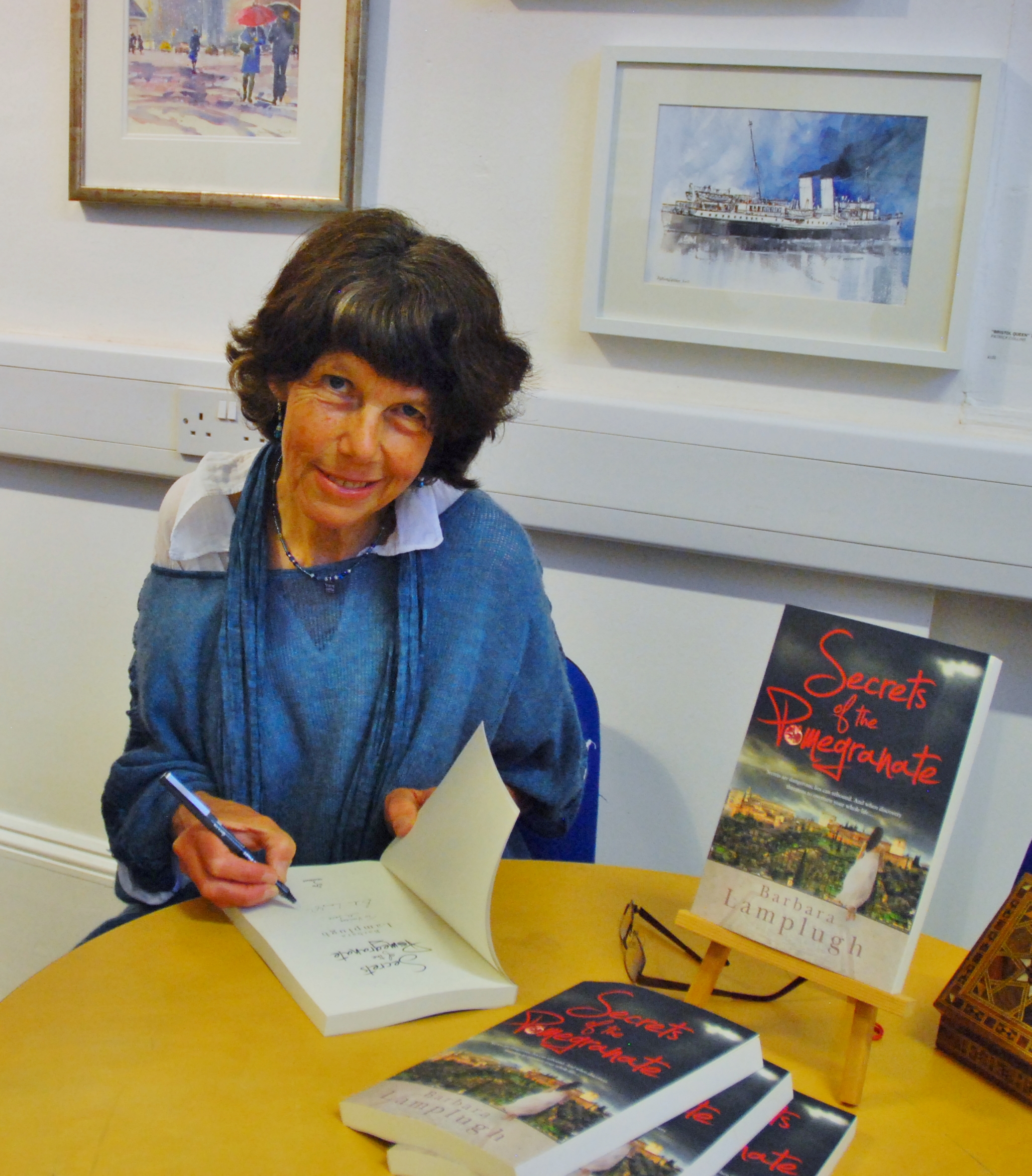
Without any conscious intention, I seem to have crossed the fence. In my work as a journalist, I did the interviewing; now I am the one being interviewed. Where previously I was on the receiving end, soaking up advice and knowledge from the experts on courses, at workshops and literary festivals, I now find myself up front, even giving advice to aspiring writers – and with all the confidence of one of those experts. I listen to myself and do a double take. Is this really me autographing books as if I’m a famous person?

DSC_2282

But I do at last feel like a real writer. I’m itching to make headway on the next novel. The big question is, with all this social networking and blogging, when will I ever have time to write it?

Granada launch of Secrets of the Pomegranate

Barbara_nocturno

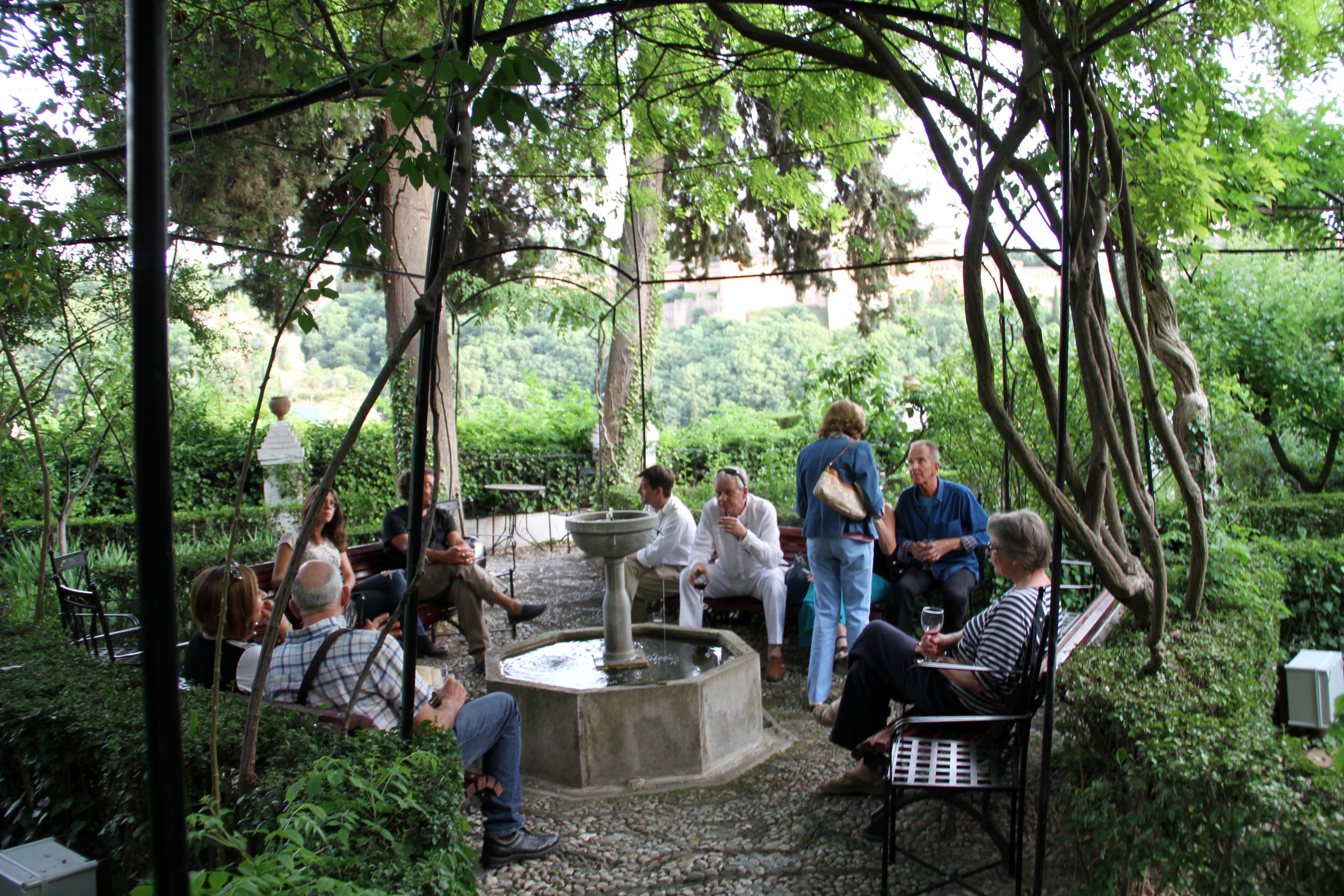
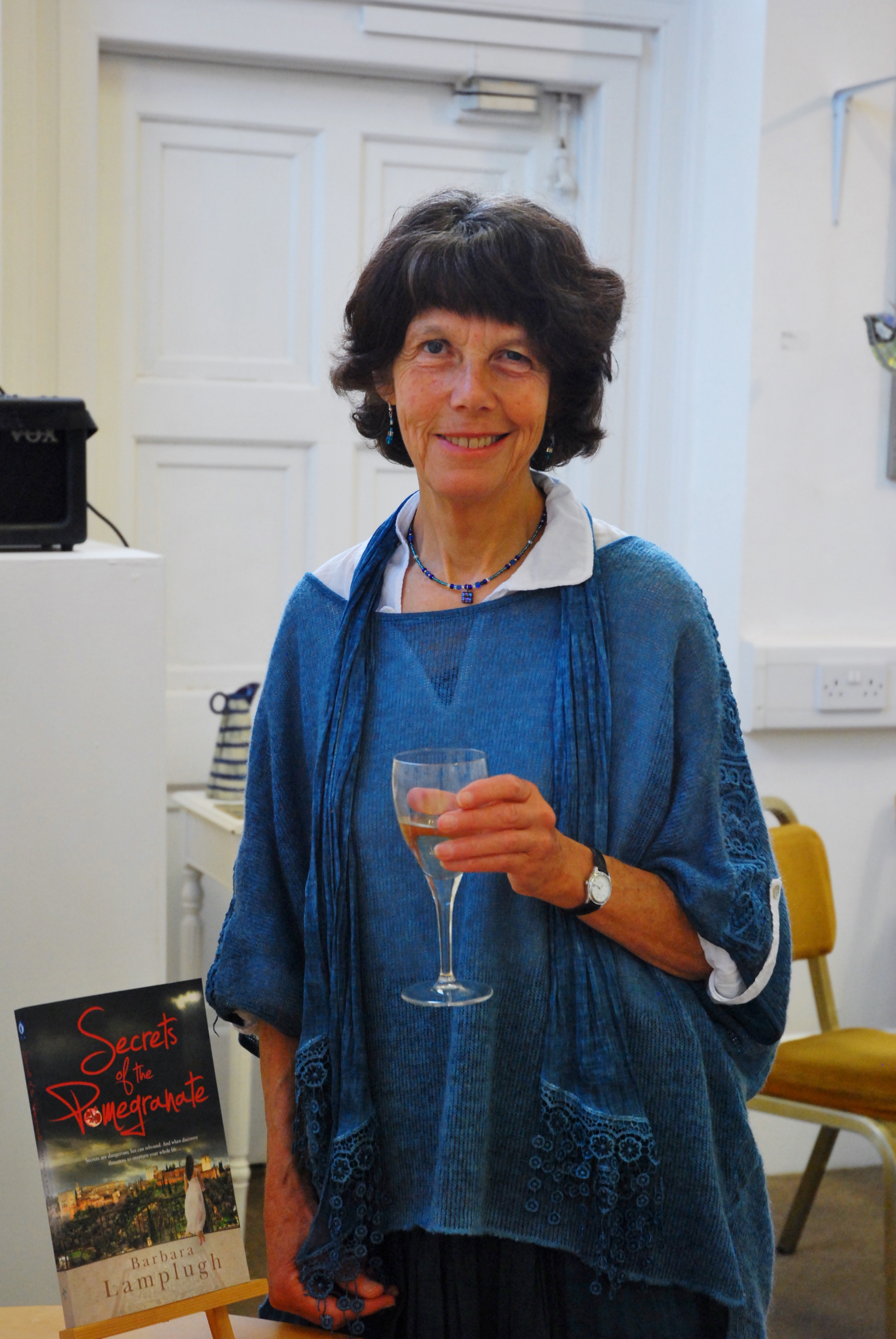
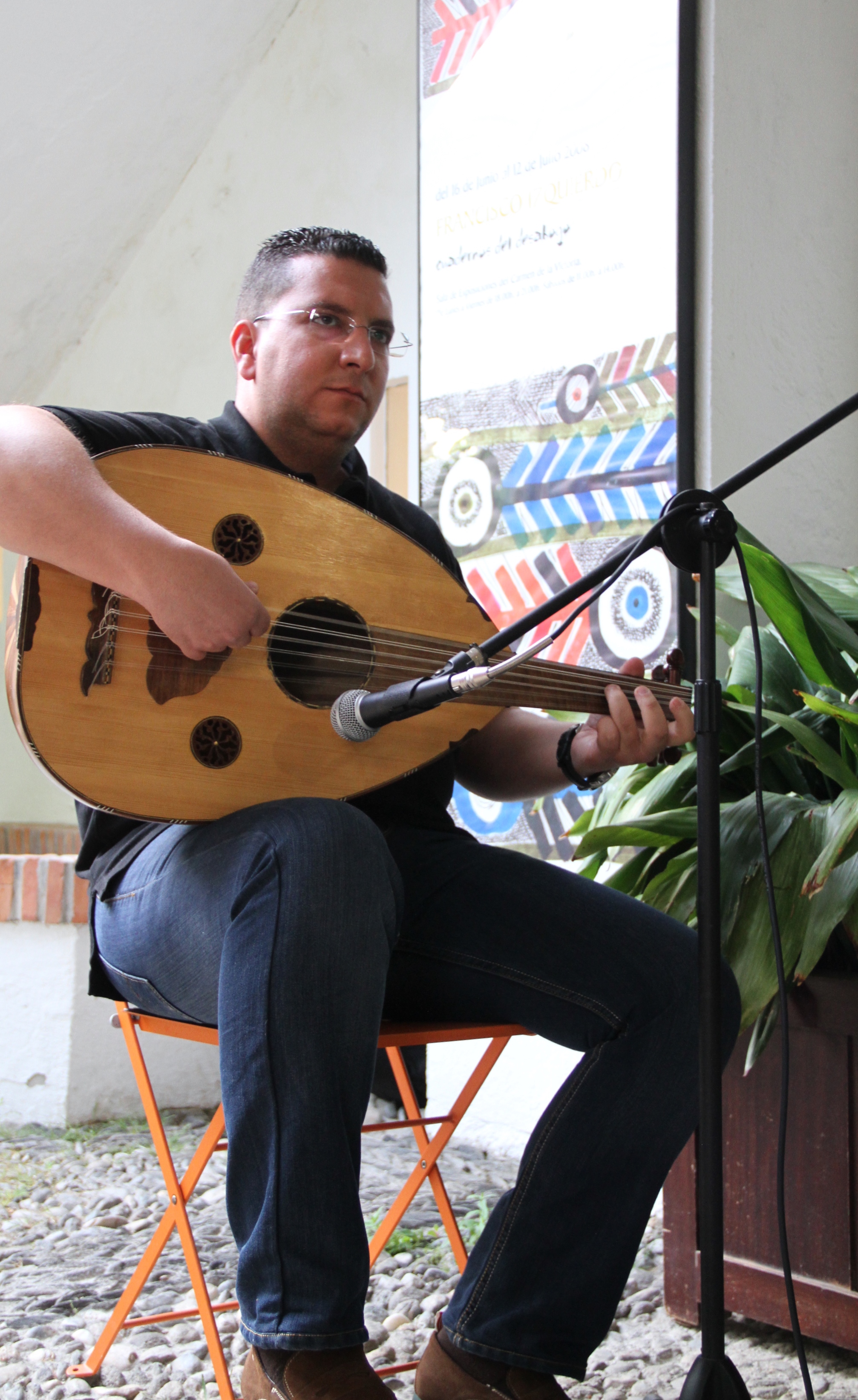
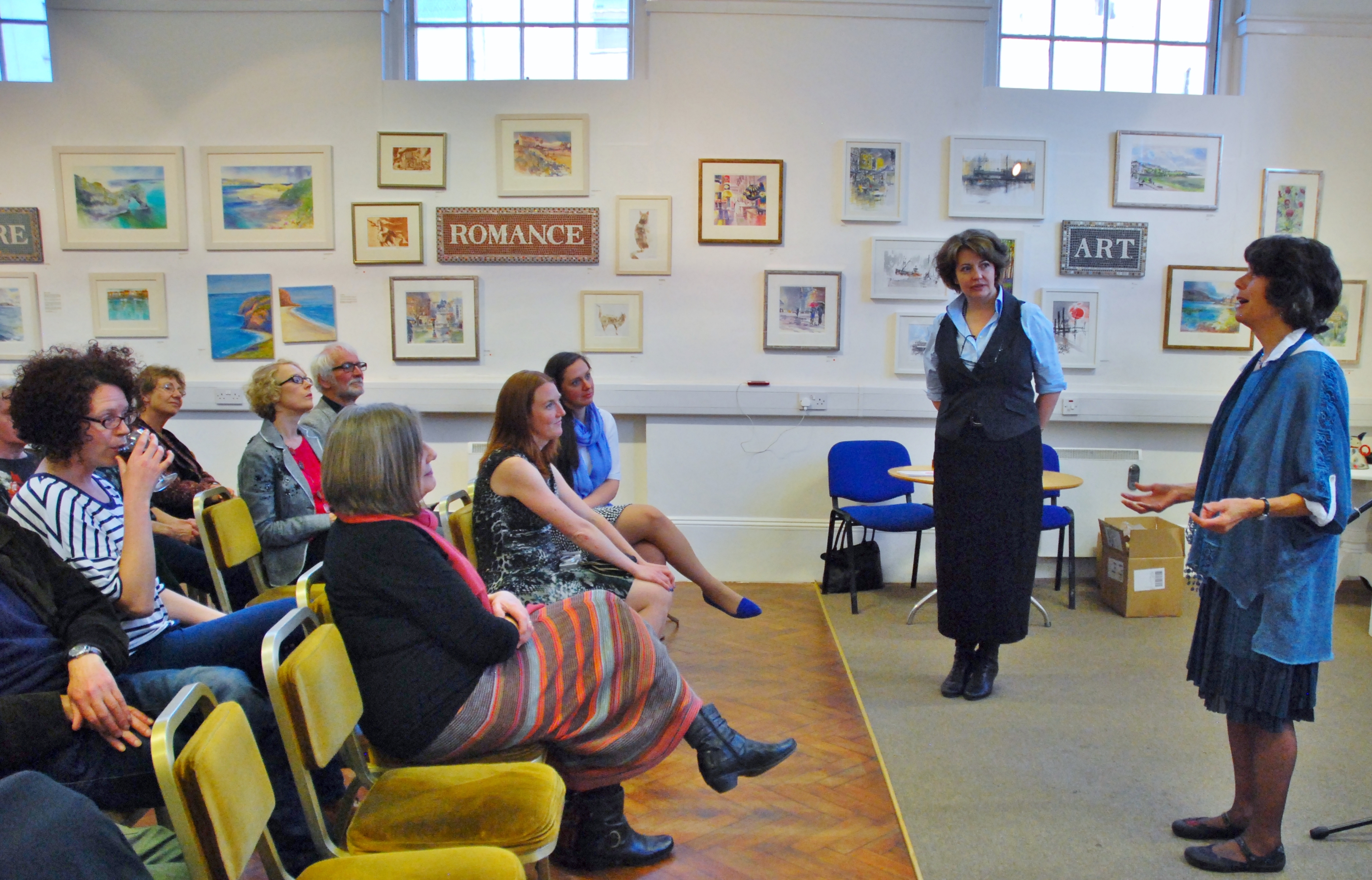
The Granada launch on 18th May at the Carmen de la Victoria was a great success with around 45 people present and a delightful recital on the oud (laúd arabe) by Otman Ya’kubi in the beautiful gardens. Diana Kelham, ex-Honorary British Consul in Granada introduced me with a colourful description of my life and work!

11312830_720427088068677_8040923534542147710_o11270699_720428228068563_609090343231048543_o Carmen  de la VictoriaBarbara_presentación_18 signing

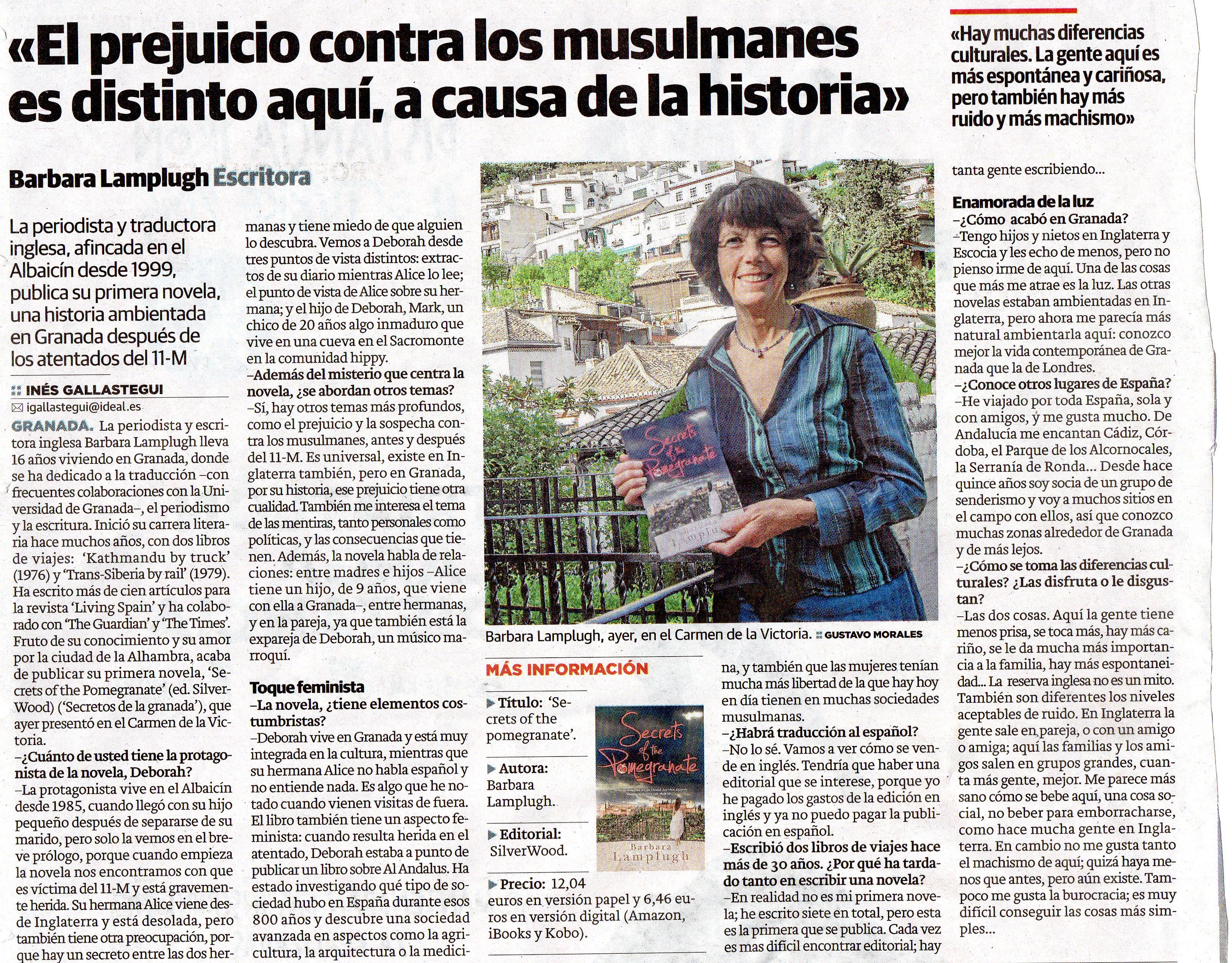
Ideal interview 19th May 2015Local publicity in Granada’s daily newspaper, Ideal, 19th May 2015

And in the Costa del Sol’s English language paper, Sur in English, 22nd May 2015

Sur in English feature

Mezquita of Granada

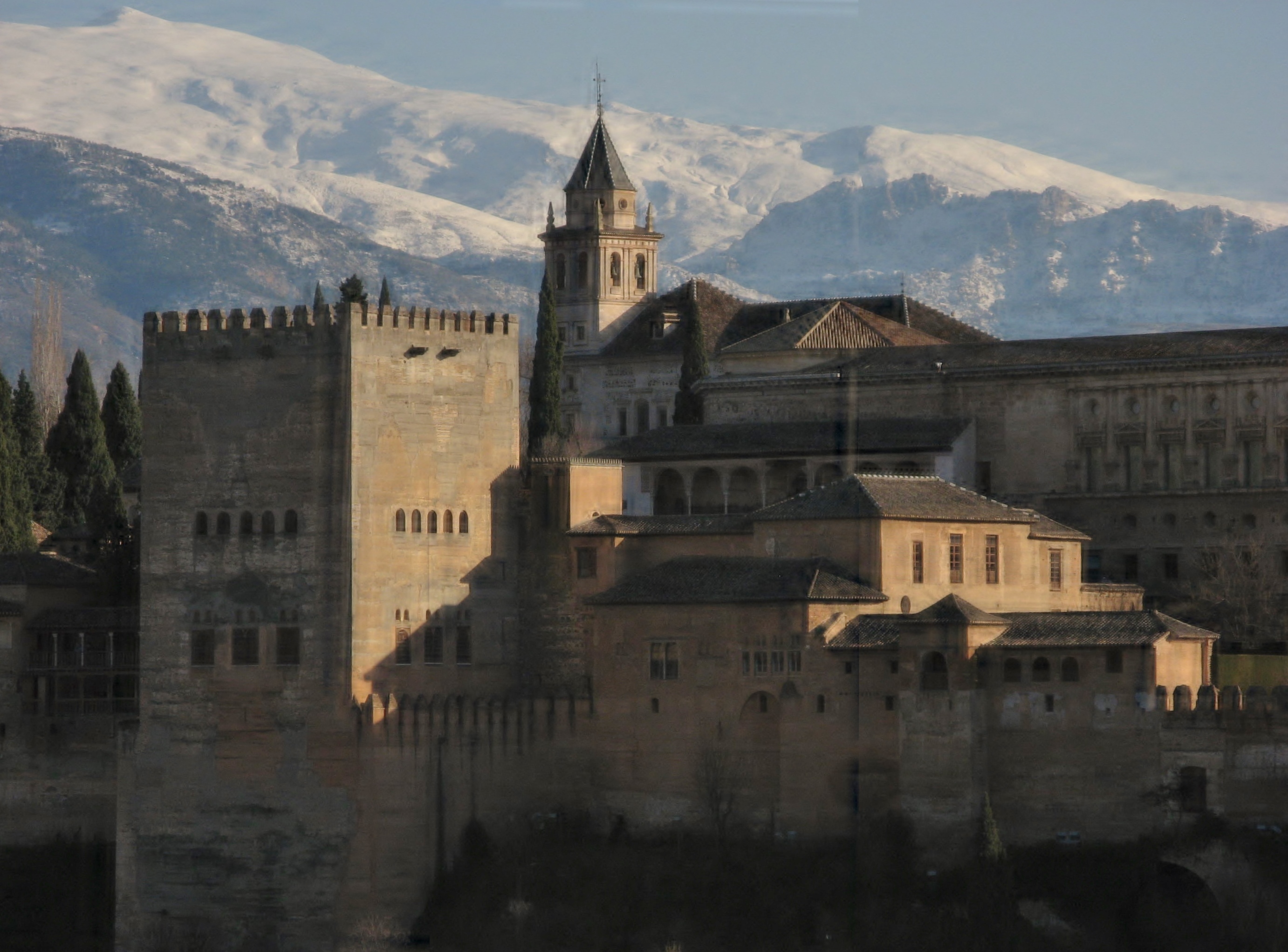
Visitors to the mirador of San Nicolás in Granada’s Albaicín, a viewpoint frequented by many tourists for its wonderful vista of the Alhambra set against the peaks of the Sierra Nevada, will see next to the church a beautiful purpose-built mosque blending in perfectly with the Albaicín’s Moorish architecture. What they won’t be aware of is battle that had to be fought to achieve it. The existence of the mezquita is a tribute to the patience and determination of Granada’s Muslims, who purchased the unwanted plot on which it stands in 1981. It took twenty-three years of struggle for their vision of a mosque in the Albaicín to be realised. This was the campaign that Deborah in Secrets of the Pomegranate became involved in.

D4CV3742The roof terrace of the carmen where I lived for several years was within a hundred metres or so of the designated site. The building was already underway when I moved there in early 1999. I would look across at the unfinished minaret, observing the progress made each week and then wondering why all work had suddenly stopped, the crane standing stationary and redundant for month after month, eventually stretching to years.

When the Catholic monarchs conquered Granada in 1492, the Albaicín had thirty-four mosques. Most of them were transformed into churches, the minarets becoming church towers. San Nicolas itself was once a mosque. However, this counted for little with some of the more conservative elements of the local community, who instigated a campaign in the neighbourhood to try and prevent the mosque being built. The petition presented to the municipal authorities resulted, in 1984, in a reversal of the original approval granted to the project. The mosque site was designated as for residential use only. The mosque, it seemed, would never become reality.

It wasn’t until 1994 that building permission was finally granted although obstacles still remained and it took another nine years before the mosque was completed and opened its doors to the community. Opposition persisted – Islamophobic graffiti appeared on walls in the vicinity – but the mood was changing: local authorities, the press and general public were becoming more sympathetic to the idea. When work finally recommenced, I watched with excitement as the building progressed, culminating in the mosaic decoration under the eaves of the minaret with the Muslim declaration of faith in kufic lettering.

IMG_1517

The tower of the minaret is designed and constructed in the original Albaicín style, while famous mosques from across the Muslim world have provided the inspiration for other elements of Granada’s mosque. The Mihrab or prayer niche, adorned with beautiful panels of cedar wood from the Atlas mountains, is an exact replica of that in Cordoba’s Mezquita. The multi-coloured marble tiles are copied from the Al Aqsa mosque in Jerusalem and the windows are identical to those of the Blue Mosque in Istanbul. Master craftsmen from Fez in Morocco designed and made the mosaic fountain in the patio leading to the prayer hall, following a thousand year-old tradition.

IMG_1567

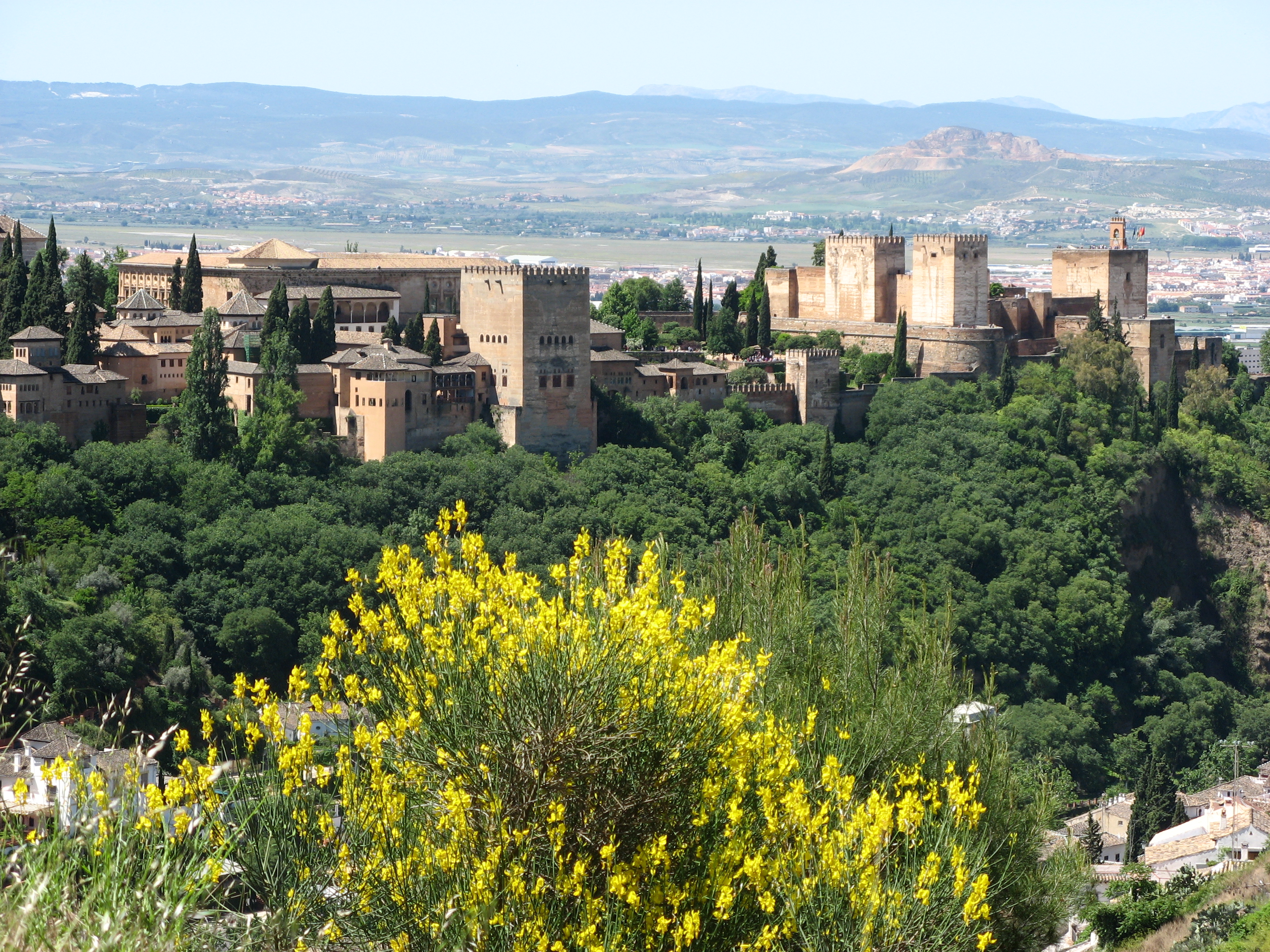
From the beginning, the mezquita has demonstrated a policy of openness to everyone. The prayer hall itself is for Muslims only, but visitors of all beliefs or none are welcomed in the rest of the building and in the beautiful, tranquil gardens with their uninterrupted view across the valley of the river Darro to the Alhambra on the opposite hill, Mount Sabika. Standing there quietly, looking across at that magnificent legacy of al-Andalus, you experience an almost palpable sense of Granada’s history.

IMG_1520

As one of its pamphlets proclaims, “The Mosque of Granada signals, after a hiatus of 500 years, the restoration of a missing link with a rich and fecund Islamic contribution to all spheres of human enterprise and activity.” The fascinating mix of cultures in Granada is one of the features that has long attracted visitors to the city.

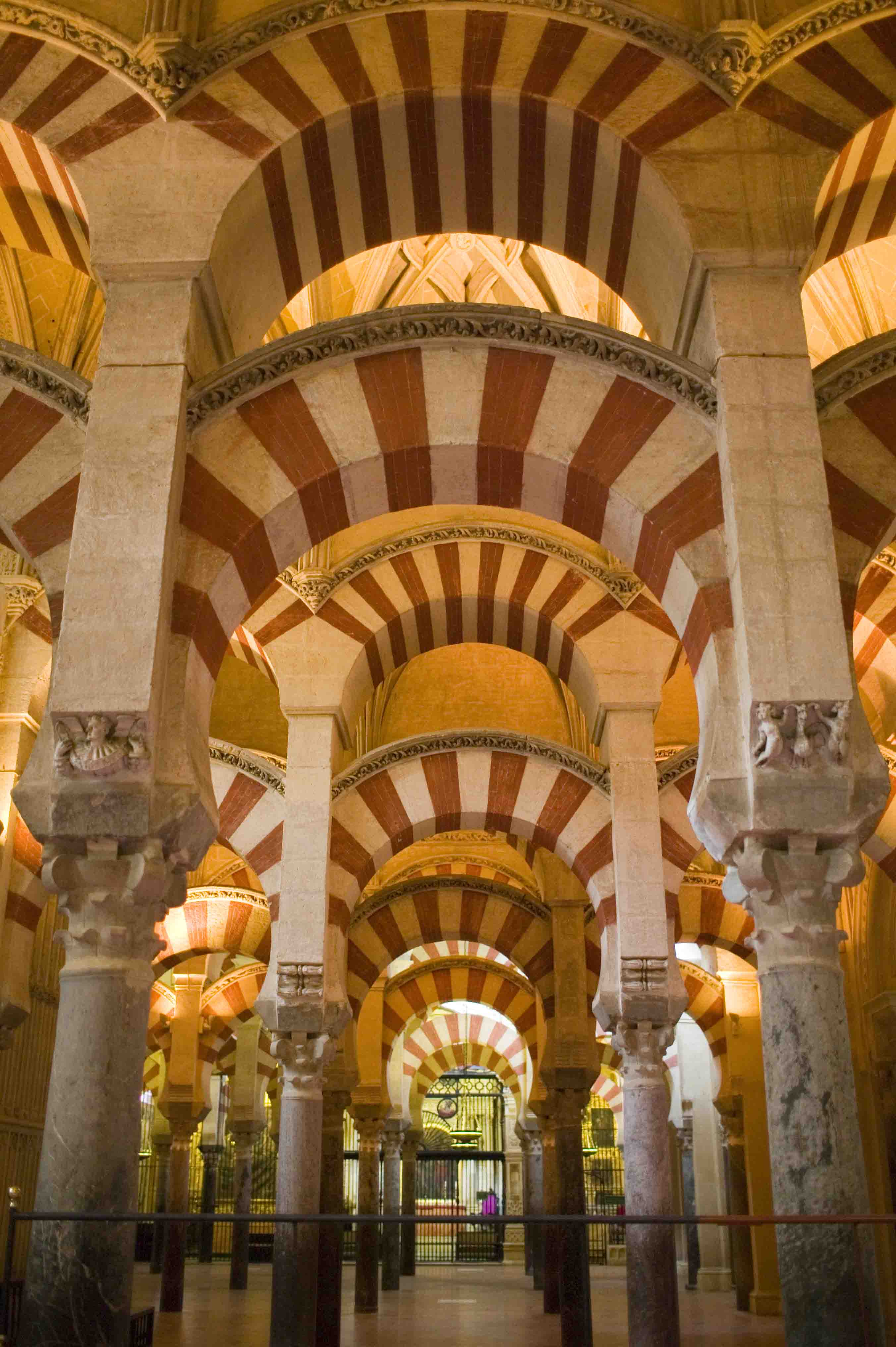
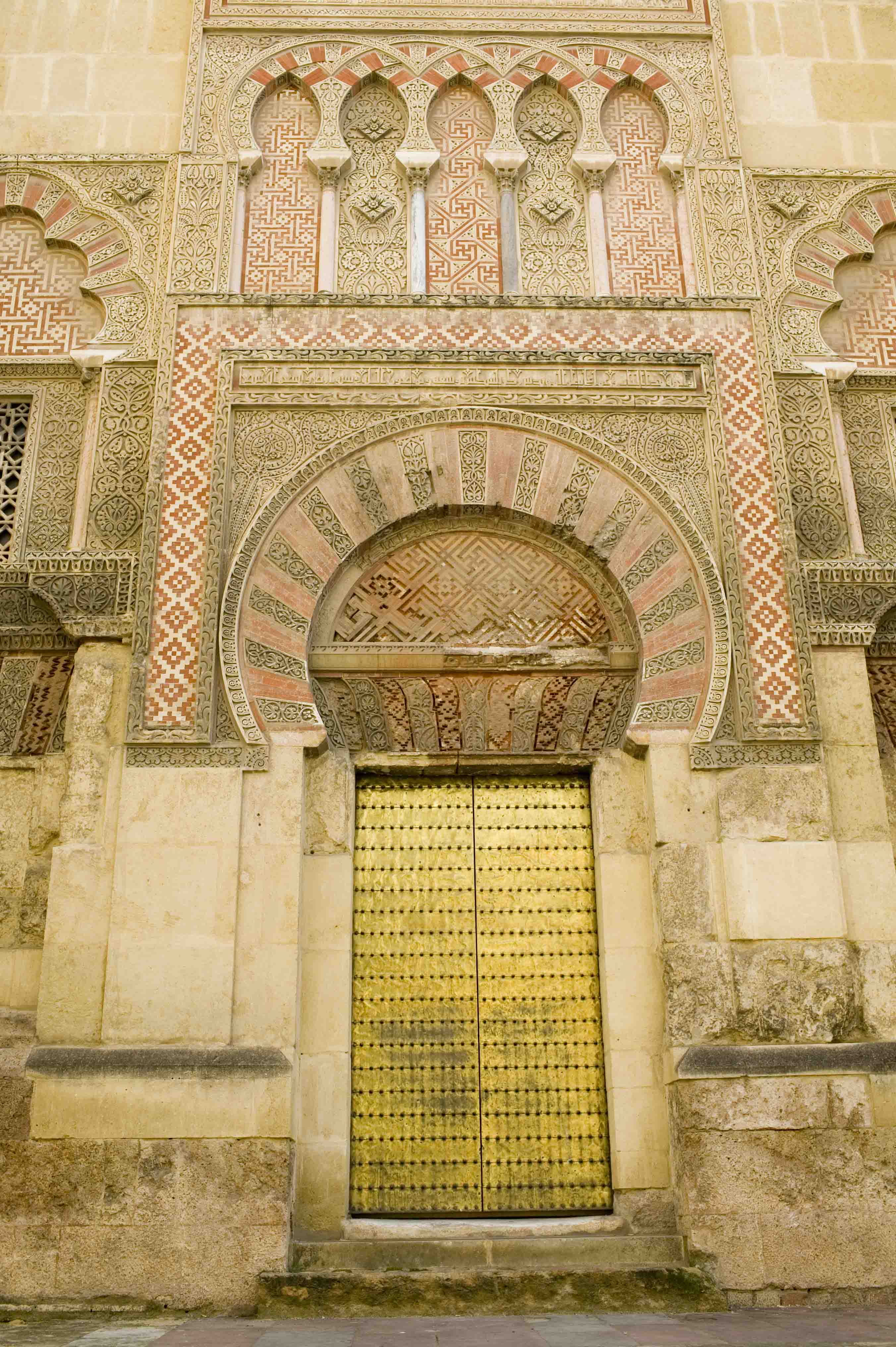
But now a battle is on for the famous Mezquita of Córdoba, which incorporates the city’s cathedral. Despite it being a World Heritage site, the Church managed to appropriate it in 2006, at a cost of €30, and re-designate it as a Cathedral rather than a Mosque-Cathedral. A Change.Org petition addressed to Unesco and the government of Andalucía has collected thousands of signatures protesting at this takeover and attempting to keep it in the public domain.

D4CV4136D4CV4015

Cultural Viewpoints

Living in Spain, one of the first words you are likely to learn (one they don’t teach on any Spanish course in the UK) is guiri. This slang word for ‘foreigner’ (but only those foreigners who come from affluent countries) is the one normally used to refer to those of us who live in Spain as well as to turistas. It’s not really meant to be derogatory. Less flattering epithets like moro are reserved for the inmigrantes from Morocco and sub-Saharan Africa, while those from Ecuador and South America may be referred to as sudacos. Because these extranjeros are seen as poorer, they are not generally regarded with the same tolerant amusement as the guiris. I don’t mind being recognised as a guiri, though I do object to being taken for a tourist.

In Granada, where Secrets of the Pomegranate is set, most of us resident guiris are, like Deborah, well integrated. I think this is inevitable in a city, whereas on the coast or in some urbanisations, such as those based around golf courses, the foreign community is more isolated. They may consider themselves ‘ex-pats’ – a word that makes me cringe.

2006_0320Image0036

Living in a foreign country is very different from being there as a tourist. After a few years you forget certain things about your birth country and take for granted the ways things are done in your adopted country. Often you only notice when you have visitors from abroad or you go back to your country of origin. The divergence in how a resident and a visitor view Spanish ways is very apparent in the novel. Deborah has lived in Granada for nearly twenty years while Alice has only holidayed there from time to time as her sister’s guest and doesn’t speak Spanish. Surface appearances can be deceptive and without speaking the language, it is difficult to penetrate the subtleties and complexities of another culture. Both sisters feel irritated at times by the other’s failure to understand her viewpoint.

IMG_2146

Although it is often visitors to Granada who are more wholehearted in their enthusiasm while residents tend towards a more balanced view, in the timeframe of the novel, with Alice’s anxiety about her sister dominating, it is she who takes a negative view while Deborah (through her diary) is seen to react in a far more positive way, especially in her early days in Granada. The sisters’ character differences are, of course, also a factor. Deborah is more adventurous, unafraid to embrace challenge and take risks. She is fiery and rather unpredictable. Alice is steadier and more cautious; often fearful of the unknown. But many of their differences in perception are due to their positions inside or outside the culture.

IMG_1578

Between guiris a kind of mixed English/Spanish is common currency. Even when you’re communicating in English, certain Spanish words seem to creep in and are universally used. To give a few examples that appear in the book:  fijo rather than ‘landline’ – a word I struggle to remember – or salón rather than ‘living room’, horario rather than ‘timetable’. Talking of horarios, the difference between Spain and northern Europe is one that visitors take time to understand but that once you live here you very quickly adjust to. Getting up later, going to bed later, eating later, having your main meal at mediodía, which is not midday as in 12 o’clock but between 2 and 4pm (workers do get a breakfast break to keep them going) and eating very lightly at night. It’s quite normal for music gigs to start at 11 or 12 at night; for the streets to be more populated at 4am than 4pm, siesta time.

Lecrin Valley tapa

Attitudes to privacy and personal space, to showing affection by touching and kissing (not just family but friends, strangers, your doctor, your hairdresser, your children’s teacher…); punctuality, spontaneity, the level of tolerance to noise… All these are aspects of the lifestyle that differentiate Spain and Britain and can make them seem a world apart. Deborah has long ceased to notice but for Alice, beset by fears and insecurities in addition to her grief over her sister, these differences along with the language barrier contribute to her sense of alienation.

Legacy of the Moors

Not long after the new mosque opened in the Albaicín in 2003, I went to a talk there by British historian and writer, Farhat A Hussain. Its title was ‘The Impact of al-Andalus on the History of Humanity.’ It was a revelation to me. I knew, of course, about Islamic Spain’s legacy of beautiful buildings – the Alhambra in Granada, Córdoba’s Mezquita and the Alcazaba of Sevilla, among others – but I knew very little about the Moors’ contribution in other fields. Their civilisation was way ahead of any found in the rest of Europe, which in the 8th century when they arrived was one of the most backward areas in the world. 2006_0320Image0042Deborah, the central character of my novel, Secrets of the Pomegranate, becomes fascinated by al-Andalus, the name used by the Moors for the kingdom they ruled until 1492. It is her Moroccan lover Hassan who first sparks her interest by telling her about the extraordinary achievements of Muslim Spain. Agriculture, medicine, philosophy, mathematics and astronomy were all advanced greatly during the nearly eight hundred years of Muslim rule. After studying other civilisations such as those of China, Greece and India, they developed their own ideas, based on Islamic ethics and the way of life dictated by the Prophet. Health, medicine, agriculture, the design of cities and social justice are all included in the instructions for living found in the Qu’ran and the Sirah. ronda 4Islamic knowledge was highly respected by scholars in the rest of Europe, who came to Spain to learn about their culture. During the European Dark Ages, the works of Greek and Roman philosophers were lost. The Muslims studied and commented on them, translating them into Arabic, which was then converted into Latin by European scholars and thus recovered. It was in this way that Europeans became reacquainted with Aristotle, for example. IMG_5071In agriculture, it was the Arabs who invented the water wheel for power and who brought irrigation to Spain. Their acequias (irrigation channels) are still very much in use. They introduced oranges, sugar and rice, among other foods. Every season produced crops so that Spain became much greener and had a healthier, better nourished population.

D4CV4018

Pan de Alfacar 011

Medical knowledge made huge strides in the prevention and cure of diseases, hygiene and surgical techniques. Spanish Muslim surgeon Zahrawi wrote an encyclopedia of surgery over a thousand years ago. Most of the instruments he invented are still used today. Modern dentistry and optics are also based on his knowledge and methods. In mathematics, the concept of zero, along with nine other digits, meant that mathematicians could express any number. The Arabs invented the binary system used now in computing. The words algebra and algorithm come from Arabic. Modern financial systems also owe their origins to the Islamic civilisation. Being great traders, they introduced cheques, also an Arabic word. Paper and ink were Arab inventions.

The centuries of Islamic rule were considered a golden age of religious and cultural tolerance. Muslims, Christians and Jews collaborated in many spheres and non-Muslims held prestigious positions in the civil service of Islamic rulers. They were not forced to convert or prevented from following their own faiths. Some intermarried. The population (of all three religions) came to share a distinct culture which they regarded as Andalusi. IMG_2177What interests Deborah in particular is the role of women, which for the more elevated classes at least was surprisingly liberal. They played an important part in society, again well ahead of the rest of Europe. Girls and boys studied together, girls had access to higher education and became doctors, teachers and traders. Deborah embarks on research into this aspect of al-Andalus, focusing on a number of prominent women.

Walladah bint Mustakfi, one of Deborah’s heroines, was a female poet of the 11th century, unusually liberated and bold, who considered herself ‘fit for high office’ and entitled to take any man she chose as her lover. Alice, Deborah’s sister, sees parallels between Deborah and Walladah – both women being free-spirited, fiery and outspoken – qualities that can and do sometimes get them into trouble.

Sacromonte caves

My last blog described Granada’s cármenes, the beautiful villas with gardens to be found in and around Granada. In my novel, Secrets of the Pomegranate, Deborah is lucky enough to live in one of these. Her son, Mark, however, chooses at the age of eighteen to live in rather more primitive conditions in one of the caves dotting the hillside in Sacromonte, traditionally the gypsy barrio of Granada.

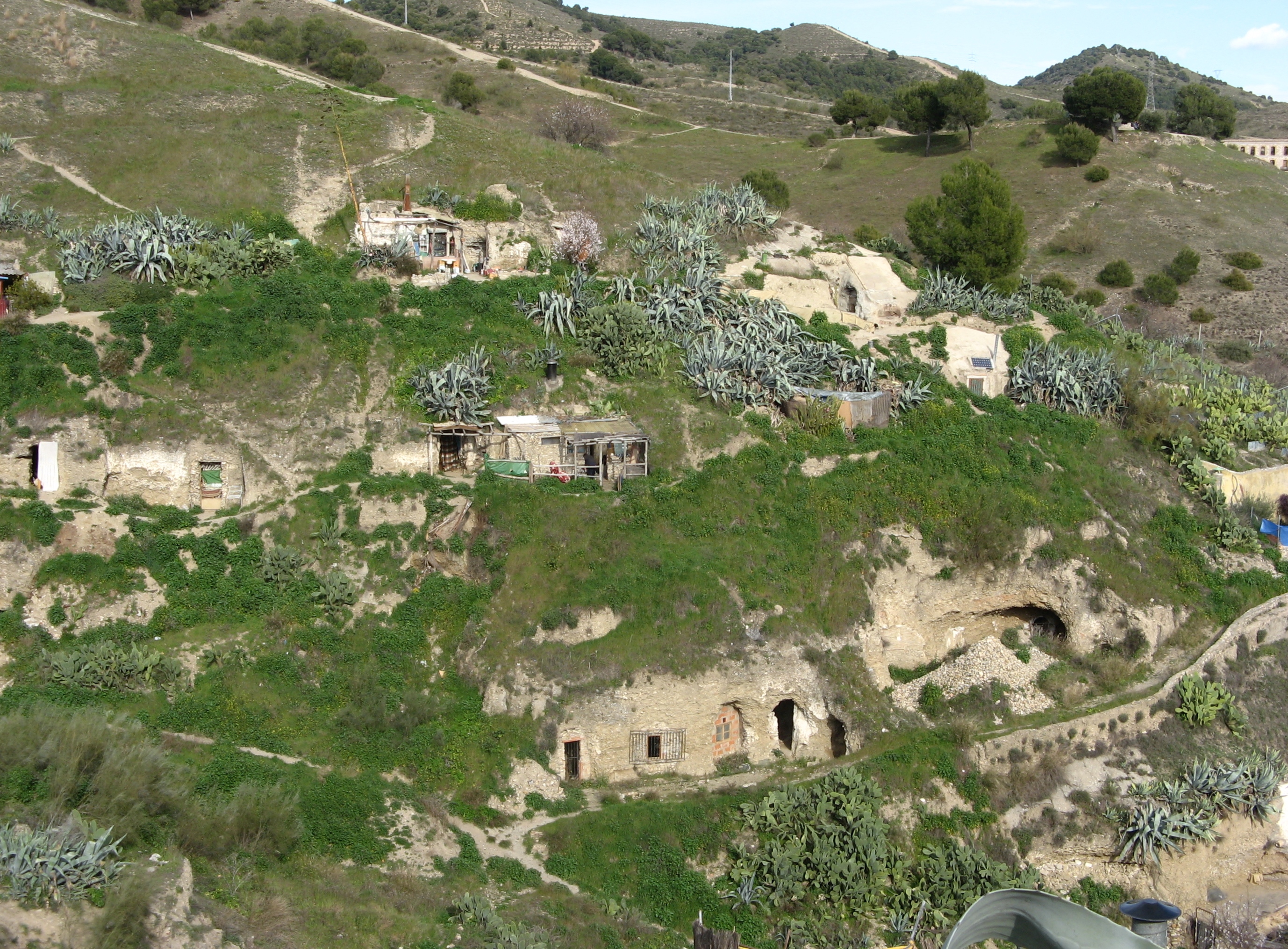
If you look across from the Alhambra to the opposite bank of the river Darro, you will see the parched hillside above the Albaicín, divided by a medieval wall separating the two barrios: the Albaicín and Sacromonte. Amongst the vegetation of sisal, pita and prickly pear, the hillside is dotted with caves, dug out of the hill hundreds of years ago and inhabited through the centuries by the marginalised population of the city.

IMG_1591

Some of the caves date from the 16th century, when Muslims and Jews, expelled from their homes by the Catholic monarchs, united with the gypsies, also out of favour in spite of having arrived with the conquering Christian armies. There on the Sacromonte hillside outside the city walls, they could live beyond the control of the authorities and the church.

According to one story, many of the caves were dug by the black slaves of the Moors who before their enforced flight from Granada had secretly buried their gold on the hillside in Sacromonte, or so the rumour went. El Barranco de los Negros (Black Men’s Gully) owes its name to this legend. The slaves’ attempts to find their masters’ hidden treasure were apparently unsuccessful despite the use of witchcraft to try and locate it. However, they stayed and the holes they had dug became their homes.

Although it was the gypsies who gave the area its distinctive culture and there are still many gypsy families living in the barrio, the real boom time for the caves of Granada was in the late 19th and early 20th centuries, when poor people from the rural areas migrated to the city and needed cheap accommodation. In 1900 there were 660 inhabited caves in Granada. By 1950, the number had increased to 3,682 (most but not all in Sacromonte).

IMG_2315

Then, in the winter of 1963, severe floods inundated the caves and forced many families to flee to other parts of town. The devastation caused was so great that Franco came to visit and a whole new barrio had to be built in the city to accommodate the displaced residents.

Their homes did not remain unoccupied for long. The caves’ long tradition of being inhabited by marginalised sections of society soon reasserted itself in the form of an alternative community of the unconventional, impoverished or those who simply liked living close to nature. Mark, in my story, is one of a motley group of what are usually referred to as ‘hippies’: young or not so young drop-outs from all over the world. A few, like Ed and Dani in the novel, are addicts of one kind or another or deal drugs but most scratch a living by selling handicrafts: homemade jewellery, leatherwork, carvings; or by busking. There are some talented artists among them.

IMG_1588

Free accommodation is of course the main attraction of the caves, but they do have other advantages, in particular their capacity to maintain a fairly constant temperature, staying cool in summer and offering a certain measure of warmth in winter. The degree of comfort that can be provided without running water or electricity is limited, though. Water has to be fetched from one of the fountains of the barrio, quite some distance away.

Two or three years ago, a decision was made by the Town Council to evict those who live in the caves near San Miguel Alto and prettify the area for tourists. Occupants are resisting, pointing out the long tradition of shelter for poor families in the caves and the fact that they have nowhere else to go. There is considerable support for their case and the battle is still going on.

Sacomonte has a unique character – peaceful during the day, lively by night but although its population is now more diverse and includes quite a few foreigners, the rhythms of flamenco still resound – whether the spontaneous and authentic kind or the shows put on for tourists. Well worth visiting is the open-air museum in the Barranco de los Negros (www.sacromontegranada.com), where you can see some of the caves, furnished to demonstrate the history, customs, occupations and lifestyles traditional in the barrio.

IMG_2317IMG_2304

Convent and harem: the cármenes of Granada

The Spanish name Carmen is familiar to most people, and not only because of Bizet’s opera. You can’t go far in Spain without coming across a woman called Carmen, just as you can’t go far without meeting a man called Paco.

IMG_1584

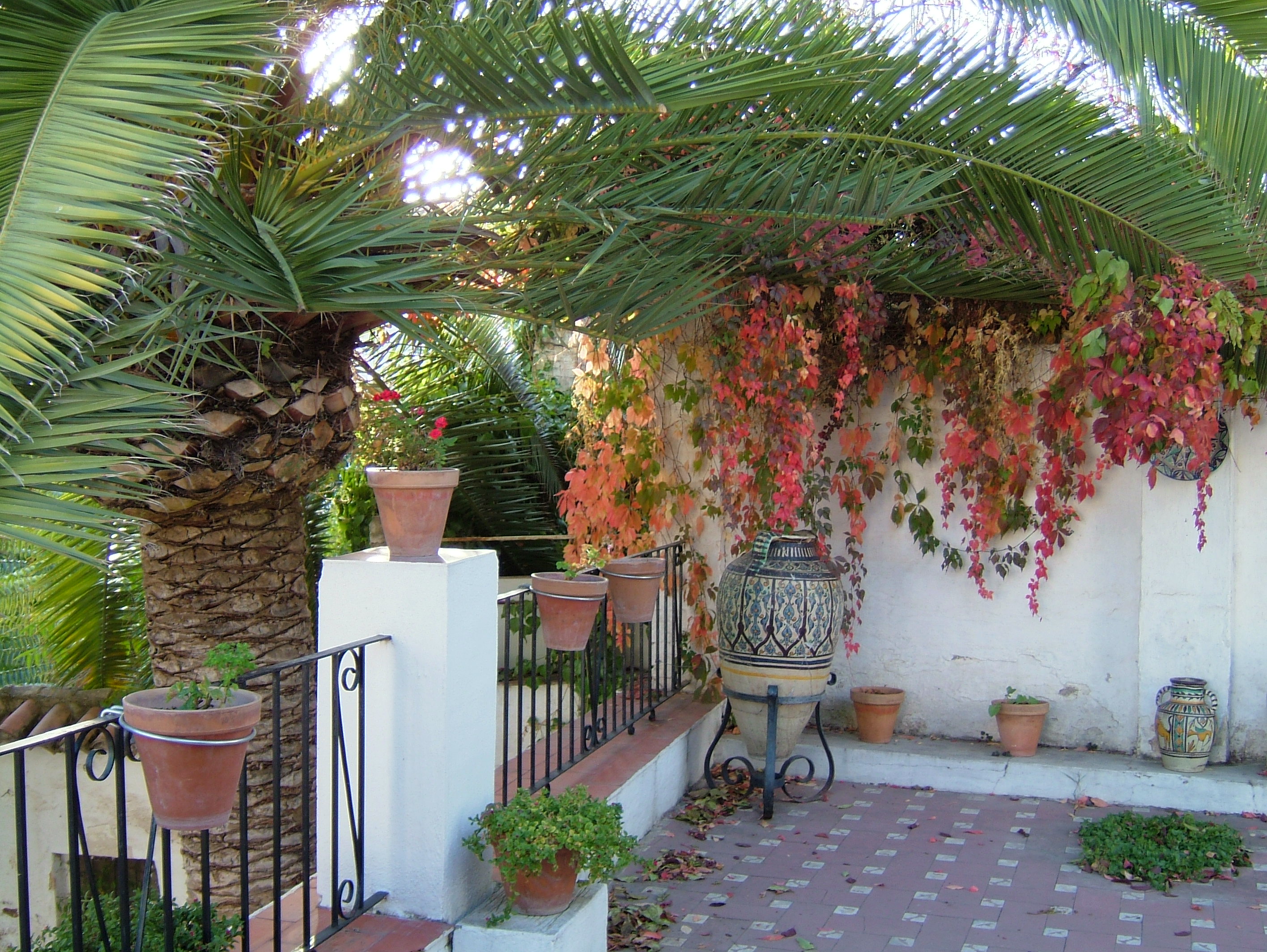
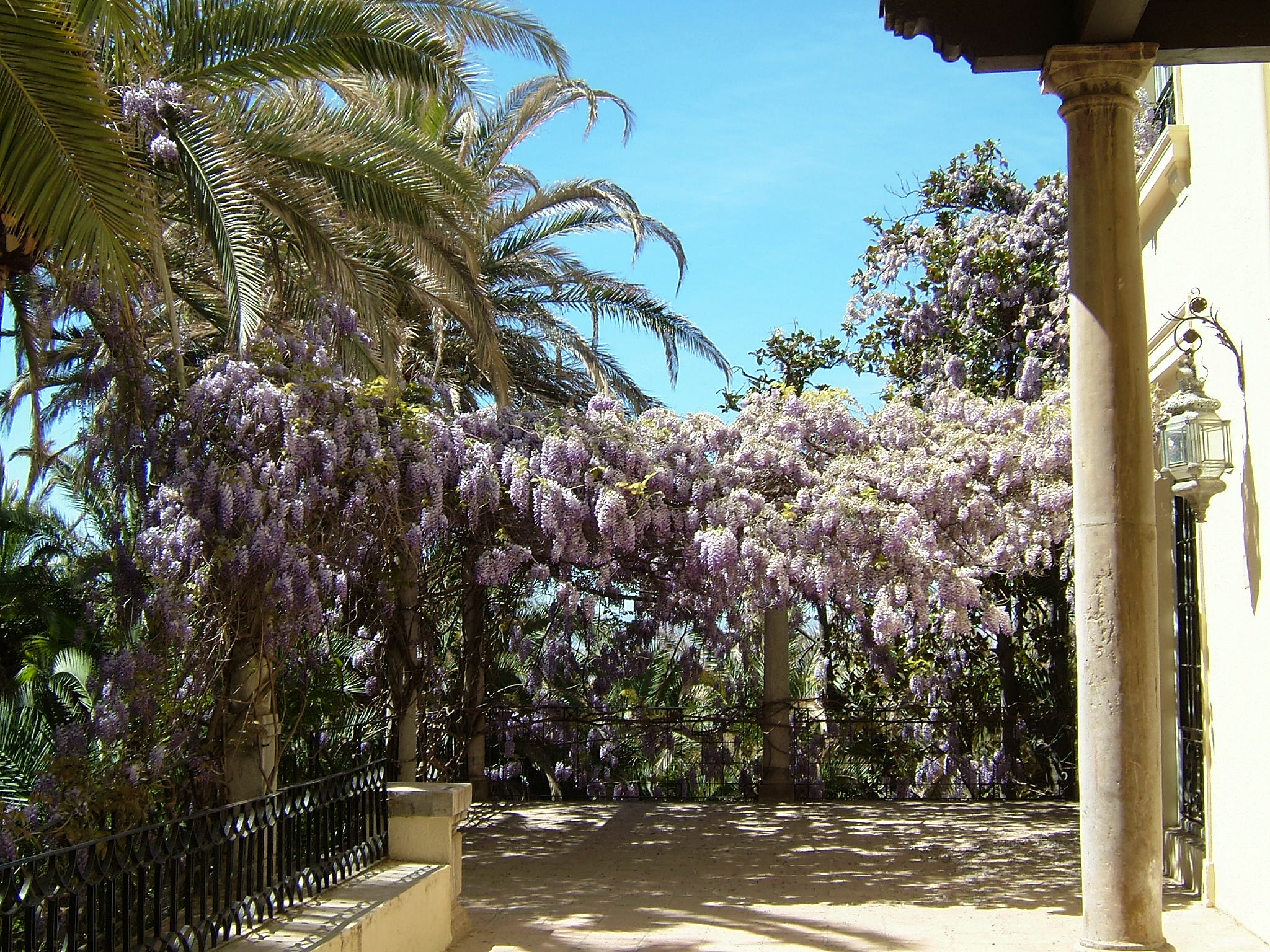
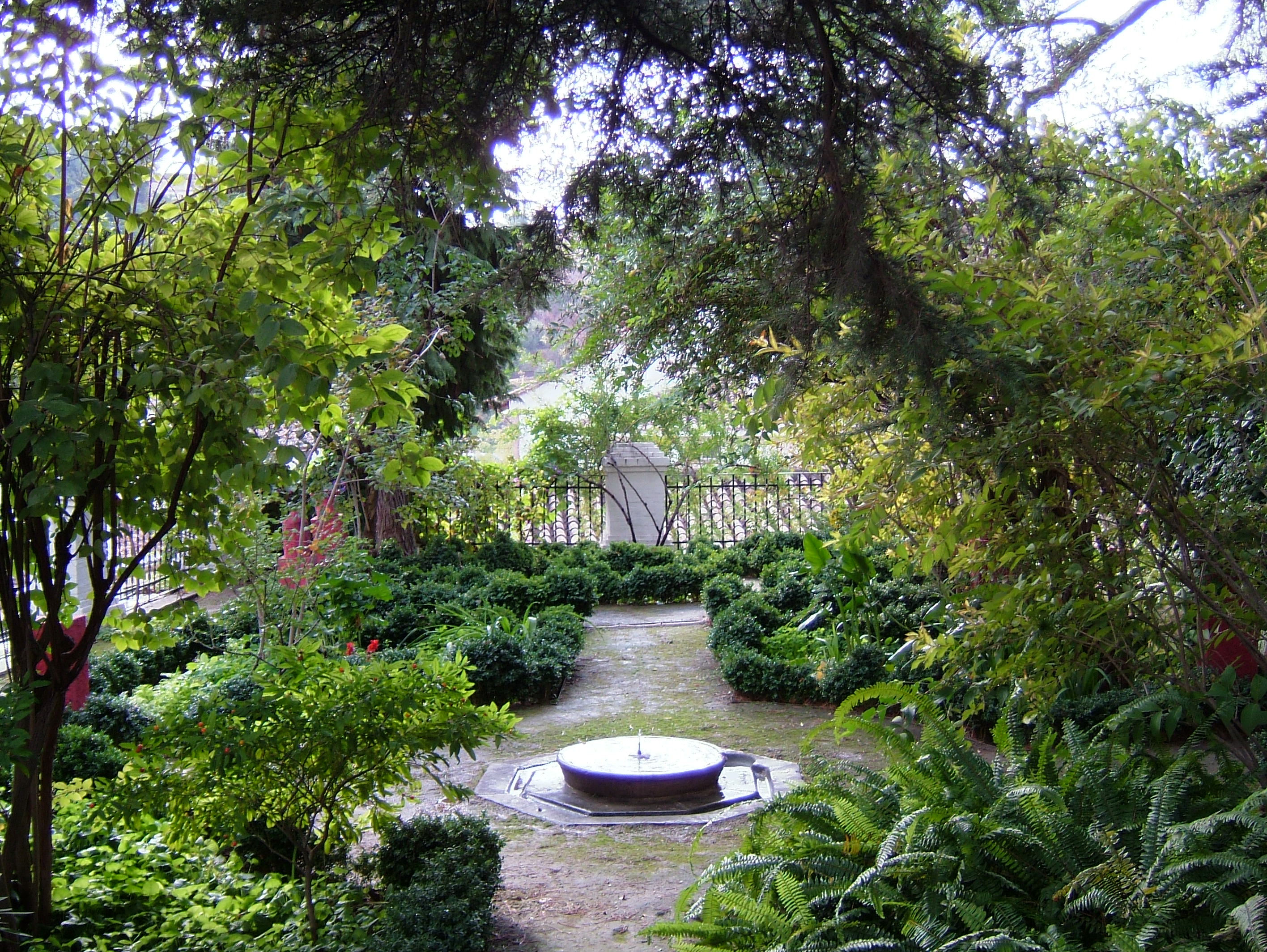
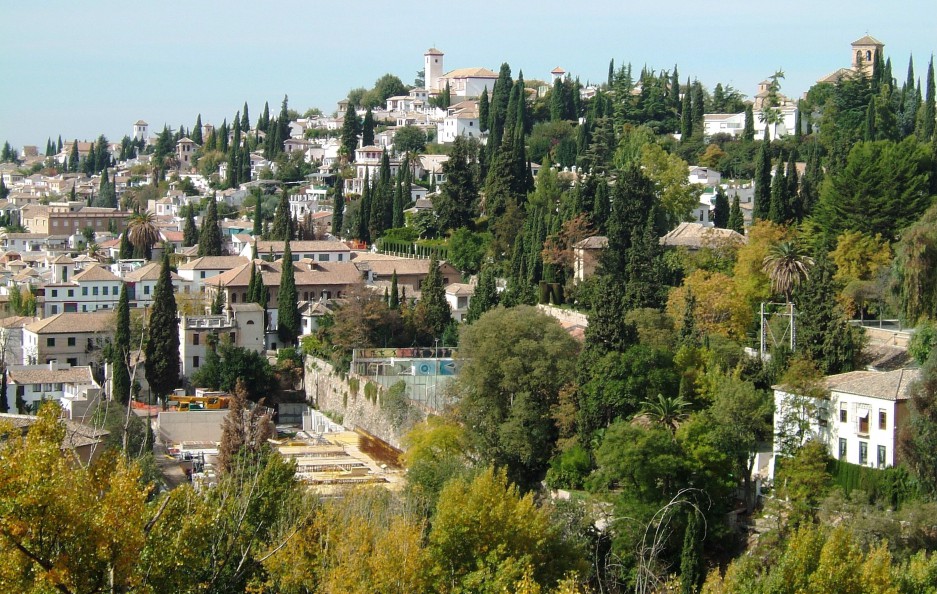
However, in Granada (and exclusively in Granada), carmen has another meaning. The word derives from the Arabic karm, meaning vineyard, but in the colloquial Arabic spoken in Granada, it was just the term given to a rustic dwelling with a garden. If you walk through the cobbled streets of the Albaicín, Granada’s Moorish quarter, you’ll see houses surrounded by high walls, with plaques outside naming them Carmen de la Media Luna, Carmen de la Estrella, Carmen de Alcazaba… Not that you’ll see much of what’s inside. Unless you’re lucky enough to find the heavy, iron entrance gates open, all you’ll see of the lush gardens are a few trailing plants – honeysuckle, jasmine or wisteria – overhanging the walls, hinting at further delights within. But if you look across from the Alhambra, you can catch glimpses of the secret gardens that lie behind these walls – green oases amongst the jumble of whitewashed houses, with tall cypresses thrusting skywards above the rooftops.

IMG_9353

In fact, few of the cármenes in the Albaicín date from Moorish times. The Arab cármenes were generally located outside the main part of the city, in Fajalauza just above the Albaicín, along the banks of the river Darro and on the slopes of the Alhambra hill. The Albaicín, especially during the last years of Moorish rule, was tightly packed with houses, its population growing rapidly as waves of incomers arrived, fleeing the Christian troops advancing southwards. Many of its occupants were artisans who lived off their produce in modest houses that took up little space, although a few houses belonging to nobility did retain their orchards and gardens. Only towards the end of the 19th century did cármenes resembling urban villas start to appear, some of them created by joining together two or three of the old Moorish houses to provide sufficient space.

When I first moved to Granada in 1999, I rented an apartment in a carmen (from a couple called – guess what – Carmen and Paco). The family lived on the upper floor while the ground floor had been converted into three small apartments. In my novel, Secrets of the Pomegranate, Deborah buys a run-down carmen in the Albaicín in the late 1980s (shortly after it was designated a UNESCO World Heritage site). At that time, the barrio was still in a dilapidated state, one of the poorest parts of the city. Now, having benefitted from all the funding that goes with world heritage status, the Albaicín has been transformed, with many of its buildings beautifully renovated.

2004_1029Image00052005_0417Image0012

Ramón Pérez de Ayala considered that a carmen had something of both the convent and the harem: the seclusion of the convent, the intimate sensuality of the harem. The Arabs liked the idea of living concealed from the outside world, able to see without being seen. It was to indulge this inclination that they surrounded their gardens with high walls and covered them with leafy canopies, making them mysterious and invisible to passers-by. They attached much importance to meditation and the beautiful secluded gardens of their cármenes provided the perfect setting for this, offering inspiration for both the mind and the senses, for contemplation and for enjoying the more intimate pleasures they were also partial to.

2004_1029Image0009

Much of the novel’s action and some of its most dramatic scenes take place in Deborah’s carmen. I like to imagine Deborah and Hassan at the height of their romance, enjoying ‘intimate pleasures’ in the seclusion of its small but delightful garden.

What does a thief look like?

One of the themes of my forthcoming novel, Secrets of the Pomegranate, is prejudice and the way we – as individuals and collectively – can be blinded, sometimes wilfully, by preconceptions about whole ‘categories’ of people. Equating Muslim with terrorist is one example.

My own preconceptions were brought home to me a year or two ago when I fell victim to thieves on a bus in my home town of Granada. The two neatly-dressed young women, working as a team but not visibly together, did not look like thieves. One of them was pregnant. (Why, I wondered later, should that make a difference?) If they had been male, of ‘dodgy’ appearance, I would have been more alert. Their tactics were – with hindsight – obvious, yet I ignored all the signs because these women didn’t fit the stereotypical image in my head. An irrational prejudice that cost me two days’ delay in my travel plans (I was on my way to the airport for a trip back to Britain), the price of an emergency passport plus a replacement for the 10-year one I had only recently renewed, about £150 in cash, a night’s accommodation in Málaga, a new flight – expensive because last-minute – and a huge amount of stress and wasted time.

I had given up my seat to the pregnant woman, who was distracting me with faces and sighs while her accomplice busied herself with my rucksack, which was not on my back but resting on top of my suitcase right under my eyes with my hands on it. Having checked there was nothing of value in the outside pocket, she somehow managed, in no more than a minute, to retrieve a small bum-bag from deep within the main compartment They were clever but not that clever. Various odd details had already made me suspicious, slightly nervous – but not of them. Only hours later did I piece together the sequence of events.

So what do thieves look like? Must they be male, shabbily dressed, not too young, nor too old? I was appalled to realise how much I had been influenced by a stereotype. But it also taught me a lesson, showing me how our preconceptions can rebound, to our own detriment. Some twenty years ago I was robbed of my purse on an underground platform in London. The man who brushed past me was middle-aged, dressed in a suit, carrying a briefcase. He didn’t look like a thief either.