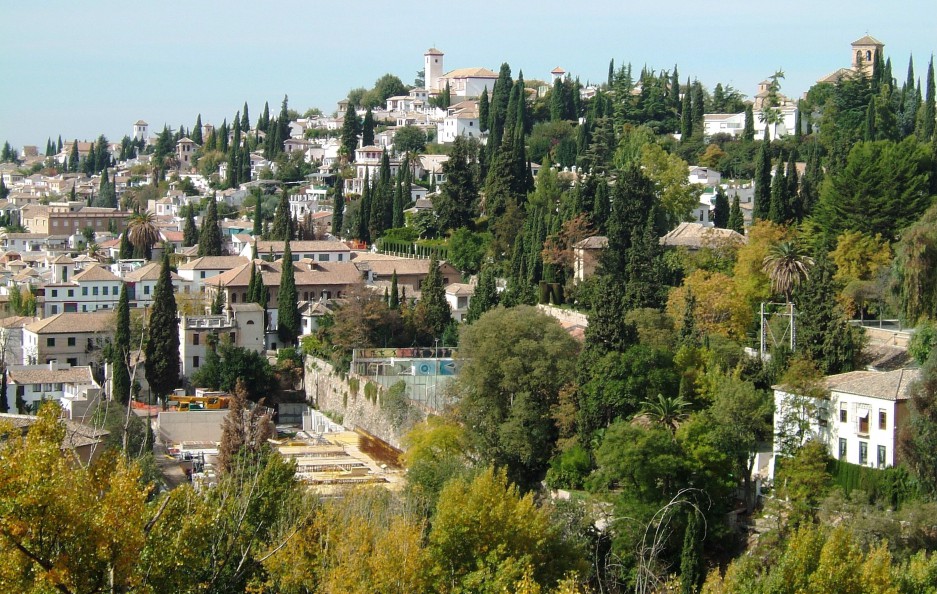
When choosing a title for my novel, I finally decided on Secrets of the Pomegranate, largely because it is set in Granada and the pomegranate is a symbol of the city. The Spanish word for pomegranate is granada although the origins of the city’s name lie elsewhere. The district now called the Realejo was, by the time of the Muslim occupation in the 8th century, home to a large Jewish population and the city was therefore known in Arabic as Gárnata al-Yahud, Granada of the Jews. Garnata later became Granada, although the Jews were expelled almost immediately the Catholic monarchs made their conquest in 1492.
Numerous myths feature the pomegranate and in many religions it is considered a sacred fruit. In the Greek myth of the abduction of Persephone by Hades, Lord of the Underworld, it is a symbol of fertility and abundance, the story being a metaphor for the cycle of growth, dormancy and regeneration.
 The Qur’an refers to pomegranates growing in the gardens of paradise. A legend tells that each pomegranate contains one seed that has come down from paradise, while the Jews believe each pomegranate has exactly 613 seeds, one to represent each of the Torah’s commandments. (I must admit, I’ve never had the patience to count!) In the Song of Solomon, the cheeks of a bride behind her veil are described as like the two halves of a pomegranate. Christianity regards the fruit as a symbol of resurrection and eternal life: pomegranates appear in many statues and paintings of the Virgin and child. In some parts of the world it was believed to be a pomegranate rather than an apple that tempted Eve in the Garden of Eden. Buddhism considers it one of the three blessed fruits. In China, a popular wedding present is a picture of a ripe, open pomegranate, symbolising fertility, abundance, posterity and the birth of many virtuous children. It had symbolic importance and was used for many rituals in the Zoroastrian religion too. In Persian mythology, Isfandiyar became invincible when he ate one.
Dreaming of pomegranates can be interpreted in various ways. It can signify fertility, good health and long life. Alternatively it can represent blood or the allure and invitation of sex. According to gypsy lore, unripe pomegranates foretell sickness and scandal although to dream of gathering them indicates fortune through a person of influence.
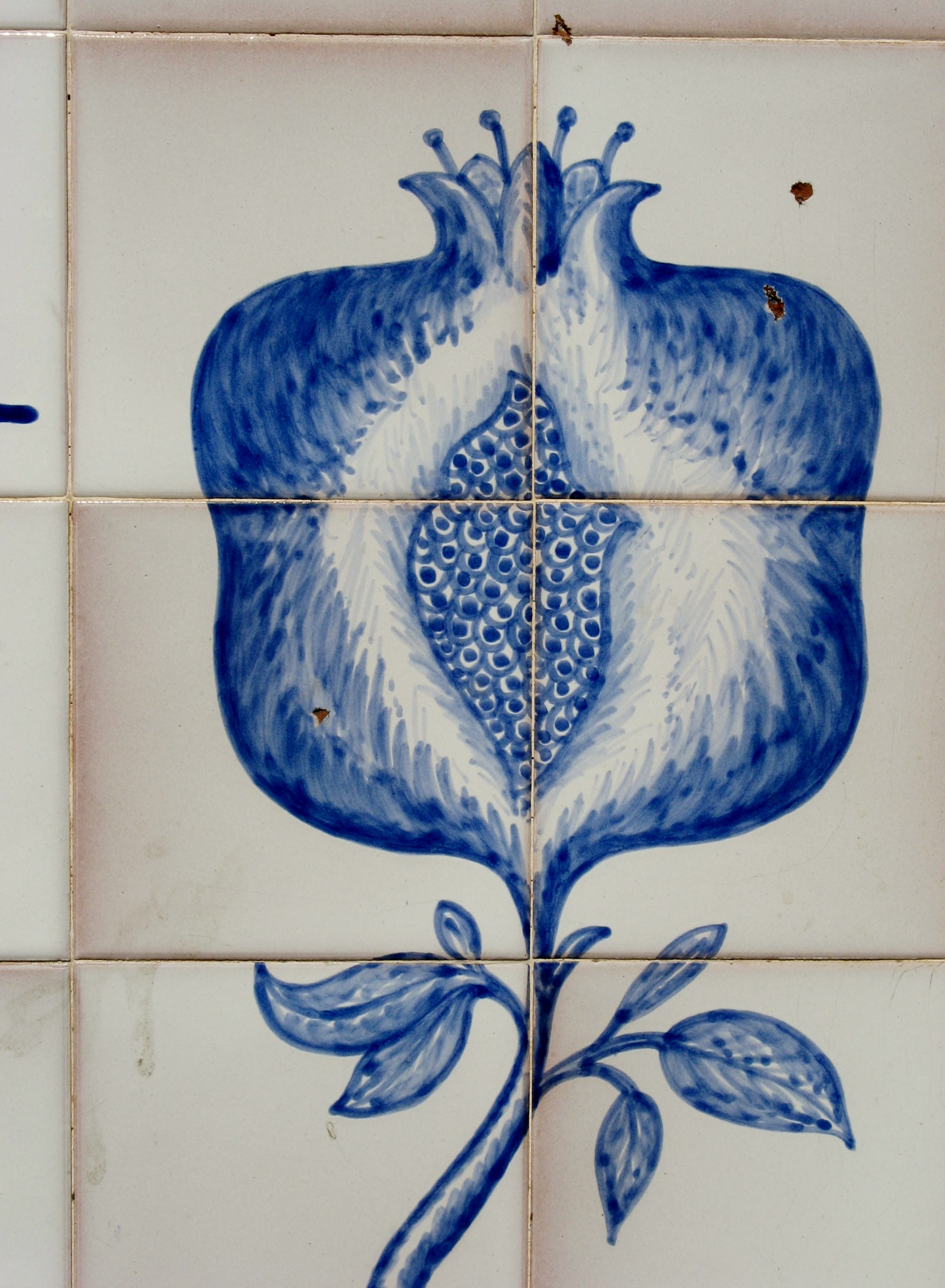 According to one myth, eating a pomegranate signifies that you will yield yourself captive to the personal charms of another. Which could explain Deborah’s attraction to Hassan in my novel – although by the time he presents her with the pomegranate she is already thoroughly charmed. Their relationship being somewhat explosive, it is interesting to note that the fruit gave its name to the hand grenade, which has a similar size and shape.
Aside from its religious and legendary significance, the pomegranate is highly beneficial for health due to its anti-oxidant and other properties. Pomegranate juice is widely sold in health shops, with claims that it can lower cholesterol and prevent heart disease, diabetes, skin and prostate cancers and osteoarthritis, to name just a few. This is no new discovery. Pomegranates have been used for medicinal purposes for thousands of years as well as in recipes from all over the world. The Greek physician, Dioscorides wrote: ‘All sorts of pommegranats are of a pleasant taste and good for ye stomach . . . The juice of the kernells prest out, being sod and mixed with Hony, are good for the ulcers that are in ye mouth and in ye Genitalls and in the seate, as also for the Pterygia in digitis and for the Nomae and ye excrescencies in ulcers, and for ye paines of ye eares, and for the griefs in ye nosthrills . . . The decoction of ye flowers is a collution of moist flagging gummes and of loose teeth . . . ye rinde having a binding faculty . . . but ye decoction of ye roots doth expell and kill the Latas tineas ventris.’ This last, I discovered, means tapeworm infestation. So now you know!


 Barbara Lamplugh