My two published novels, Secrets of the Pomegranate and The Red Gene, are set in Spain; the following one (Flying Blind, currently with an agent) tracks my peripatetic grandmother as she moves between some half dozen European countries. But for my latest novel, I’ve returned to the UK.
The setting for Scent of the Fox (provisional title) is southern England in the 1980s. Does that make it historical? Those forty years have seen many changes. Despite closely following the news from Britain, when I visit or talk to friends and family there, many references are lost on me, whether it’s personalities, TV programmes or products. What is a squishy? Bubble tea? I manage to unravel some of the mysterious acronyms – WFH, for example; others, like OOO and SUP, have to be explained to me. The use of cash (your actual notes and coins) seems to have become obsolete, even for purchases of a few pence. And where are the banks? I realised that while I could do contemporary Spain, contemporary Britain after nearly twenty-five years out of the country would be difficult. I’m too out of touch with the culture and lifestyle to portray it authentically.

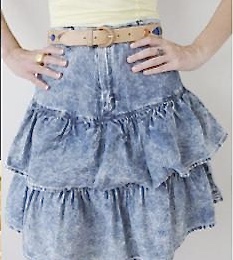
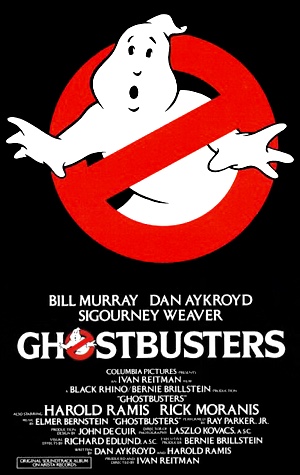
Britain in the 1980s, on the other hand, feels quite familiar. To write Scent of the Fox, I had to immerse myself in that decade, mining my memory and supplementing it with research. The politics, the fashions, the language, the music… Shell suits, Doc Martens, rah-rah skirts; the mullet hairstyle for men. Ghostbusters and E.T; Madonna, Wham and Boy George… Passing crazes like Deely Boppers (those silly hairbands with antennae, two balls on springs, attached), jelly shoes and bracelets, Care Bears and leg-warmers. My children were growing up then, with Fisher-Price toys and Lego and roller-boots. Sindy dolls and Action Man, My Little Pony and Space Hoppers were everywhere. Screens? We didn’t even have a TV till about 1990 – highly unusual, I’ll admit. But there was no social media, no email, no mobiles or tablets. You listened to music on a Walkman. And children played in the street. Family-friendly cafes, let alone pubs (unless they had gardens) were a rarity. Teenagers hung out in McDonalds and thought it was cool.
My children also joined me at rallies and on demonstrations, proudly holding up banners against nuclear weapons, apartheid or acid rain. It was the Thatcher era, with the miners’ strike, the Falklands War and the demonisation of single mothers dominating the news. The nuclear threat felt terrifyingly real; climate change and environmental destruction, though important, seemed a little less urgent – in contrast to now. Plastic had not yet taken over the planet; it was the trees we needed to save, and the ozone layer. The rainforest must be protected, CFCs banned.


My novel is set in that world of protest, my main character, Jen an activist invested in all the above causes. To me it’s a familiar world; to my potential readers it may not be. I am seeing that world of the eighties through the eyes of my two young protagonists – one thirty, the other in her early teens. It is their voices I use, though some of the more minor characters are from older generations. I was in my thirties in that decade and an active campaigner against nuclear weapons and power, among other causes. Jen is not based on me but I can project myself back to that scene. I can also vividly recall my teenage years which, even though they predated hers by a couple of decades, helped me get into the head of Rachel, my younger protagonist.

 Barbara Lamplugh